If you're researching ways to navigate stairs safely, you've probably run into two very different-looking products that solve a similar problem: stairlifts and vertical platform lifts. They're built for different people and different situations — choosing the wrong one is a common, expensive mistake.
The quick answer
Choose a stairlift if:
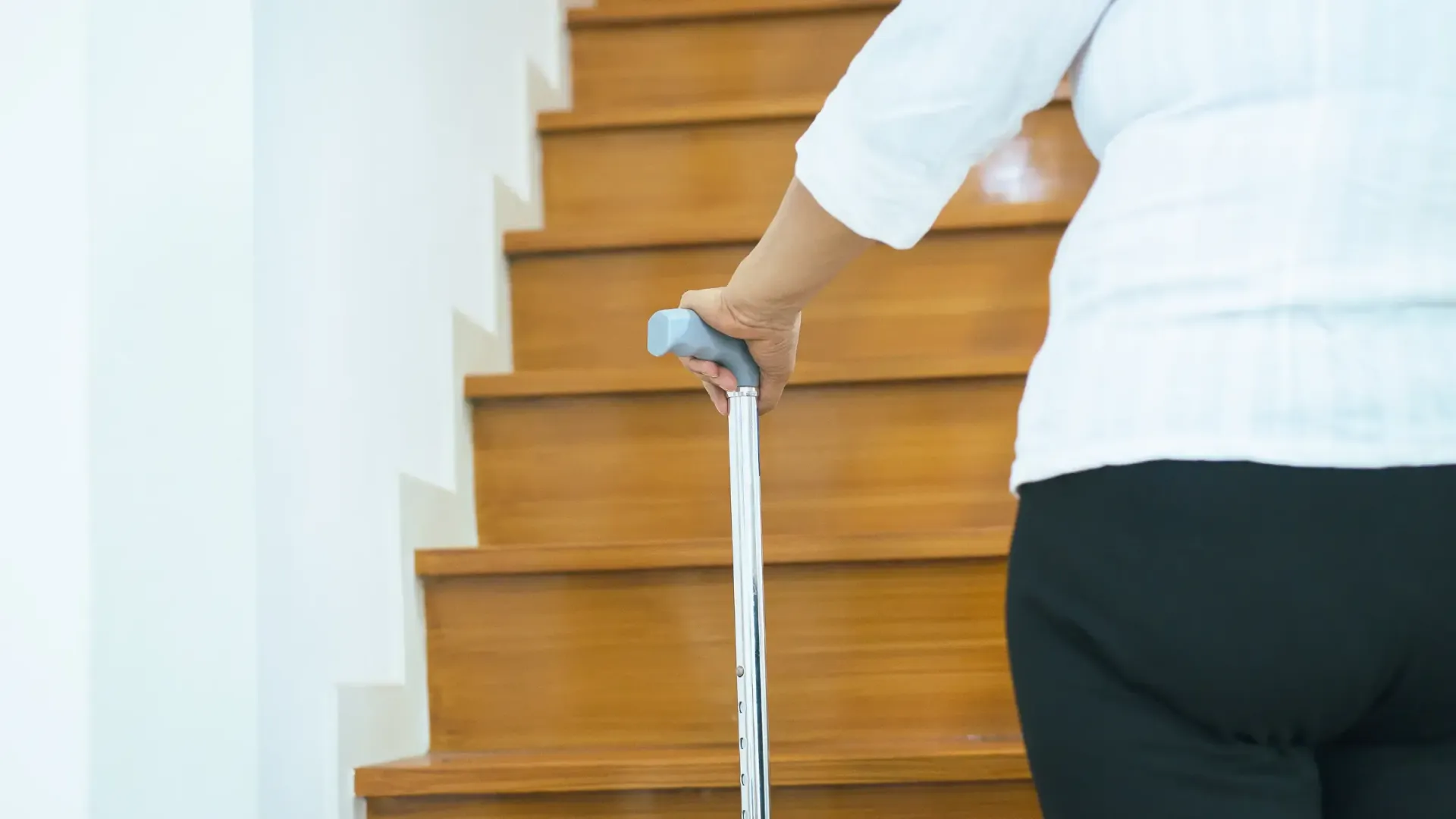
you can walk short distances and safely transfer from a wheelchair, walker, or standing position into a seat. Stairlifts follow the angle of your existing staircase and are generally the faster, more affordable option.
Choose a vertical platform lift if:
you or your loved one needs to stay seated in a wheelchair or scooter the entire time. A VPL moves straight up and down, like a compact elevator, so there's no transfer required.
How a stairlift works
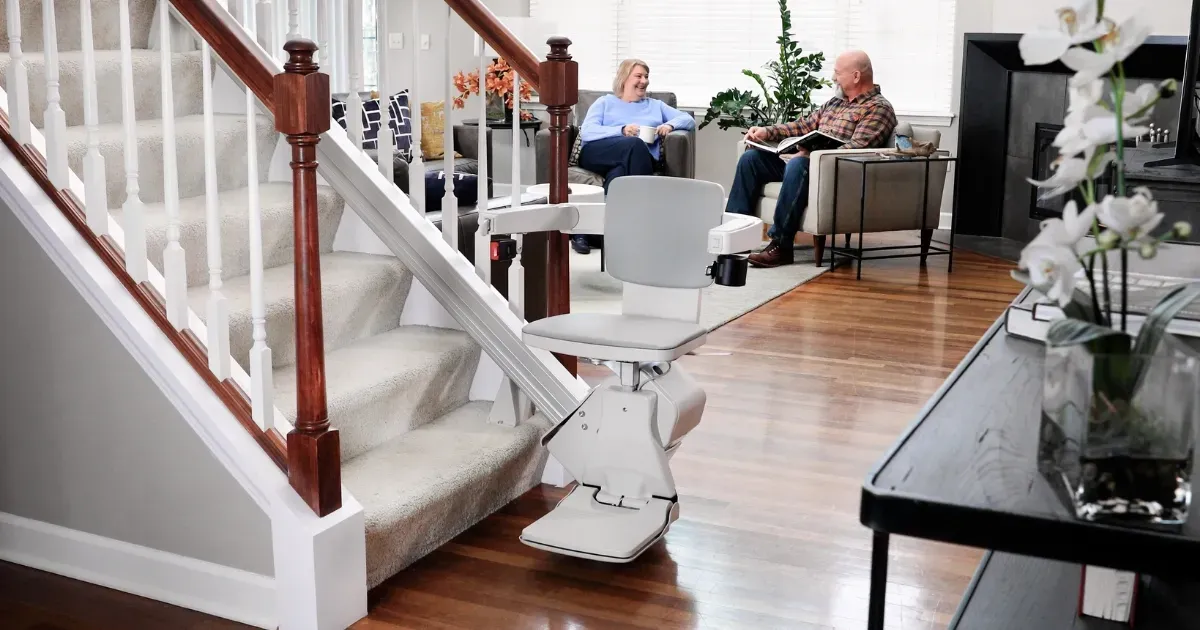
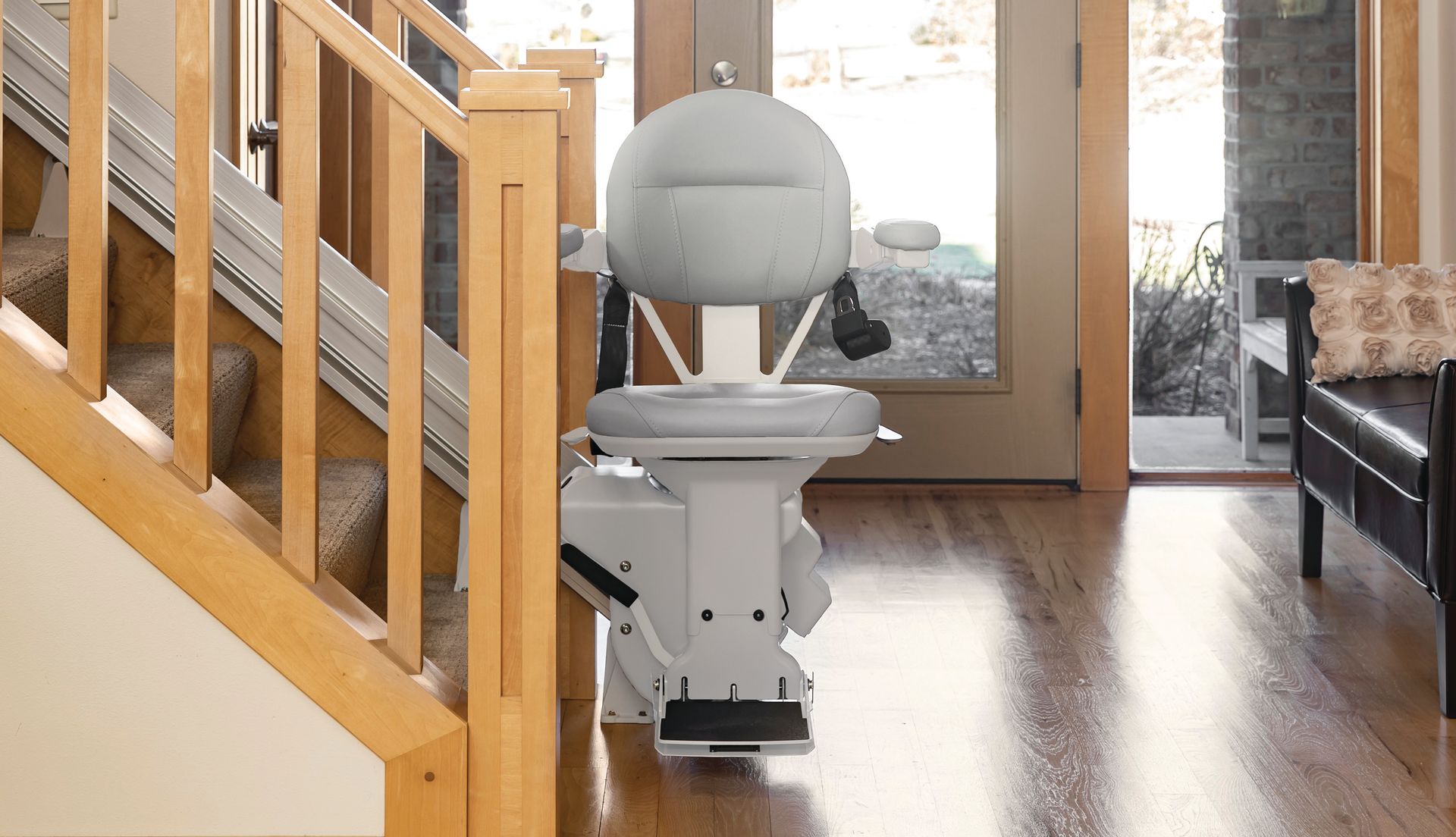
A stairlift is a powered chair mounted to a rail that runs along your staircase. The user sits down, buckles a seatbelt, and rides up or down at a controlled pace. When it's not in use, most models fold flat against the wall so the stairs stay walkable for everyone else.
Stairlifts work well for:
- Straight staircases (the simplest, least expensive installation)
- Curved or spiral staircases (custom-built rail, higher cost)
- Indoor or outdoor use, with weatherproof models available
- Users who can transfer independently or with minimal assistance
Not the right fit if:
the user needs to remain in their wheelchair or power chair at all times, since a stairlift seat requires a transfer and doesn't carry the mobility device with you.
At Altamira, straight stairlifts
typically run $3,000–$6,000 installed, and curved stairlifts
— custom-built to match your staircase — typically run $9,000–$17,000 installed. Most straight installs are completed in a single day. Browse our full stairlift model lineup, or watch one in action in our video library.
How a vertical platform lift works
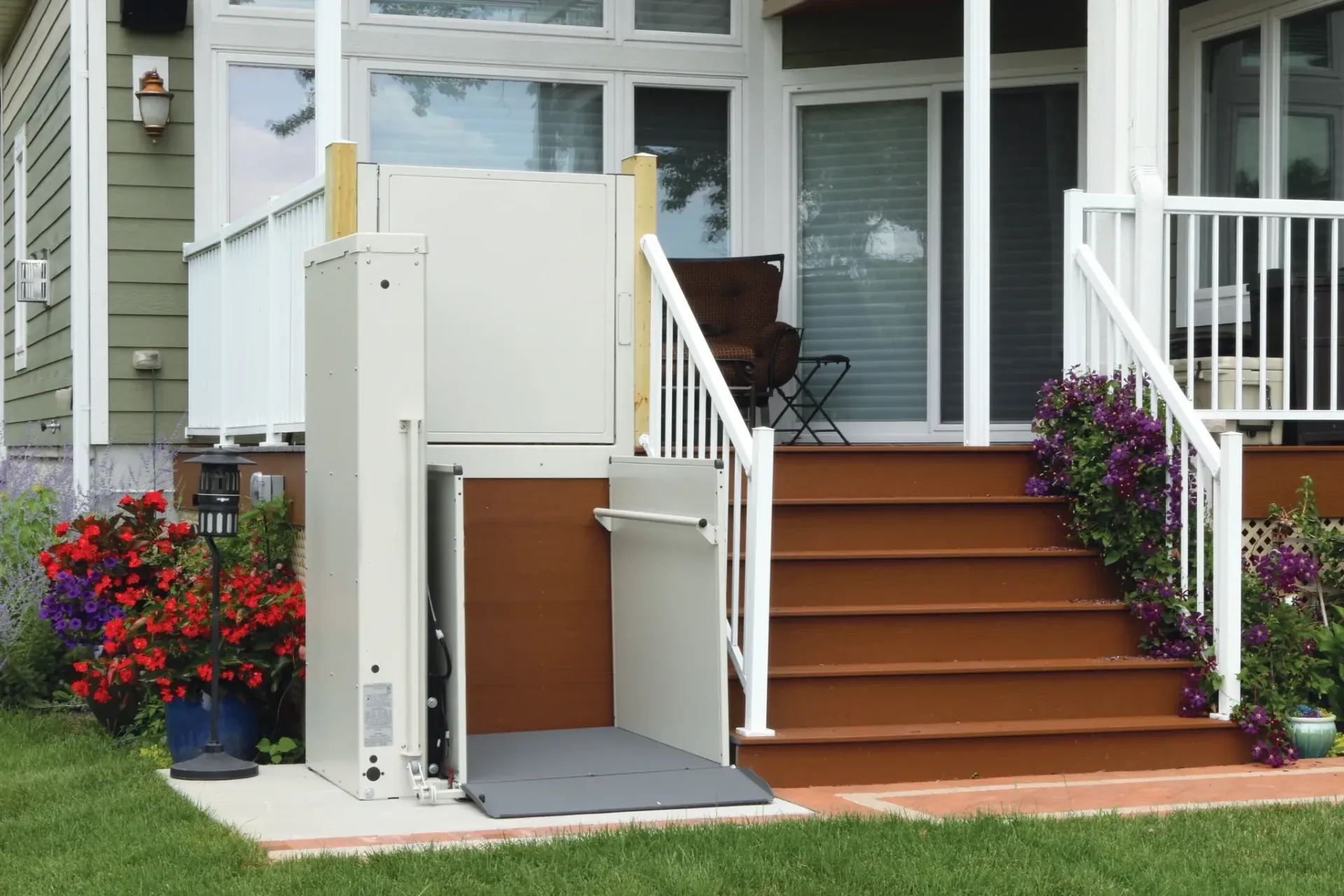
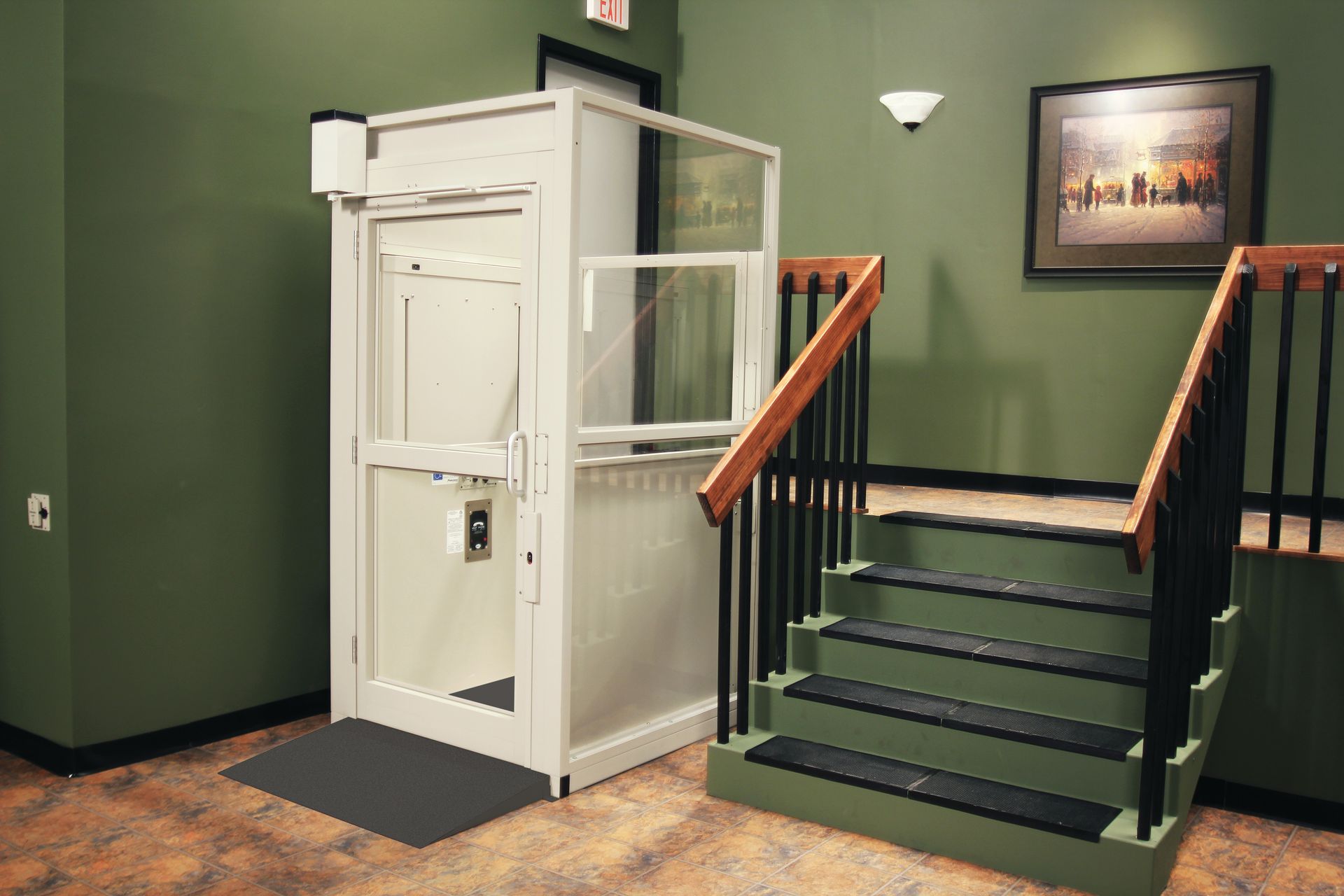
A vertical platform lift raises a flat platform straight up and down, similar to a small elevator, rather than following the slope of a staircase. The user rolls their wheelchair or scooter directly onto the platform and stays seated for the entire ride.
VPLs work well for:
- Anyone who needs to remain in a wheelchair, scooter, or power chair throughout
- Bridging a few steps at a porch, deck, or exterior entry
- Multi-level homes where a full elevator isn't practical or affordable
- Users who need a caregiver to ride along
VPLs generally cost more than stairlifts because of the additional structural work — a landing, sometimes a small enclosure, and level surfaces at both ends. Depending on rise height and indoor vs. outdoor installation, VPLs typically range from $8,000 to $20,000+ installed. See our full range of wheelchair lifts
for models and configurations.
Side-by-side comparison
| |
Stairlift |
Vertical Platform Lift |
| Best for |
Users who can transfer / walk short distances |
Users who must stay in a wheelchair or scooter |
| How it moves |
Follows the angle of the staircase |
Moves straight up/down like a mini elevator |
| Typical cost, installed |
$3,000–$6,000 straight; $9,000–$17,000 curved |
$8,000–$20,000+ |
| Install time |
Often 1 day (straight); longer for curved |
Several days to a couple weeks |
| Wheelchair stays with user |
No |
Yes |
| Works outdoors |
Yes, weatherproof models |
Yes, common for porch/deck access |
| Space needed |
Minimal — folds flat |
More — level landing top and bottom |
The one question that decides it
If you only ask yourself one thing, ask this: does the person need to stay seated in their wheelchair the entire time, or can they safely transfer to a different seat?
If they can transfer, a stairlift is almost always the faster, more affordable answer. If they can't — or a caregiver needs to remain with them during the ride — a vertical platform lift is the safer, more practical choice, even at a higher cost. It's always worth talking this through with a healthcare provider or occupational therapist, especially if mobility needs are expected to change over time.
What about a home elevator?
Elevators are the most capable — and most expensive — option, often running $35,000–$100,000+, and make the most sense for multi-story homes where several family members will use it regularly, not just the person with a mobility need. For most single- or two-story homes with a specific accessibility goal, a stairlift or VPL solves the problem at a fraction of the cost.
Not sure which one fits your stairs?
Every staircase is different, and the right answer often comes down to details a phone call can't fully capture — rise height, landing space, whether the staircase is straight or curved, and what the user's mobility looks like day to day. Altamira is an authorized Bruno dealer and a certified Service-Disabled Veteran-Owned Small Business, serving Pittsburgh, Indianapolis, Lexington, Henderson, Edison, and Dayton. Our mobility specialists will walk your stairs with you and recommend the option that fits — not the most expensive one. If you're troubleshooting an existing stairlift instead, try our stairlift troubleshooter
first.
Frequently Asked Questions
Can a stairlift carry a wheelchair?
No. A stairlift moves a person seated in its own chair; the wheelchair stays behind at the top or bottom of the stairs. If the wheelchair needs to travel with the user, a vertical platform lift is the better fit.
Is a vertical platform lift always more expensive than a stairlift?
Generally yes, mainly because of the additional structural work involved — a level landing, and sometimes a small enclosure or shaft. VPLs typically start around where curved stairlifts end.
Can I install a stairlift or VPL outdoors?
Yes, both are available in weatherproof models designed for porches, decks, and exterior entries.
What if I'm not sure which one I need?
A free in-home consultation with a mobility specialist is the fastest way to know. They'll assess your staircase and mobility needs and recommend the right fit — no obligation to buy. Already have a stairlift acting up? Try our stairlift troubleshooter
before scheduling a service call.