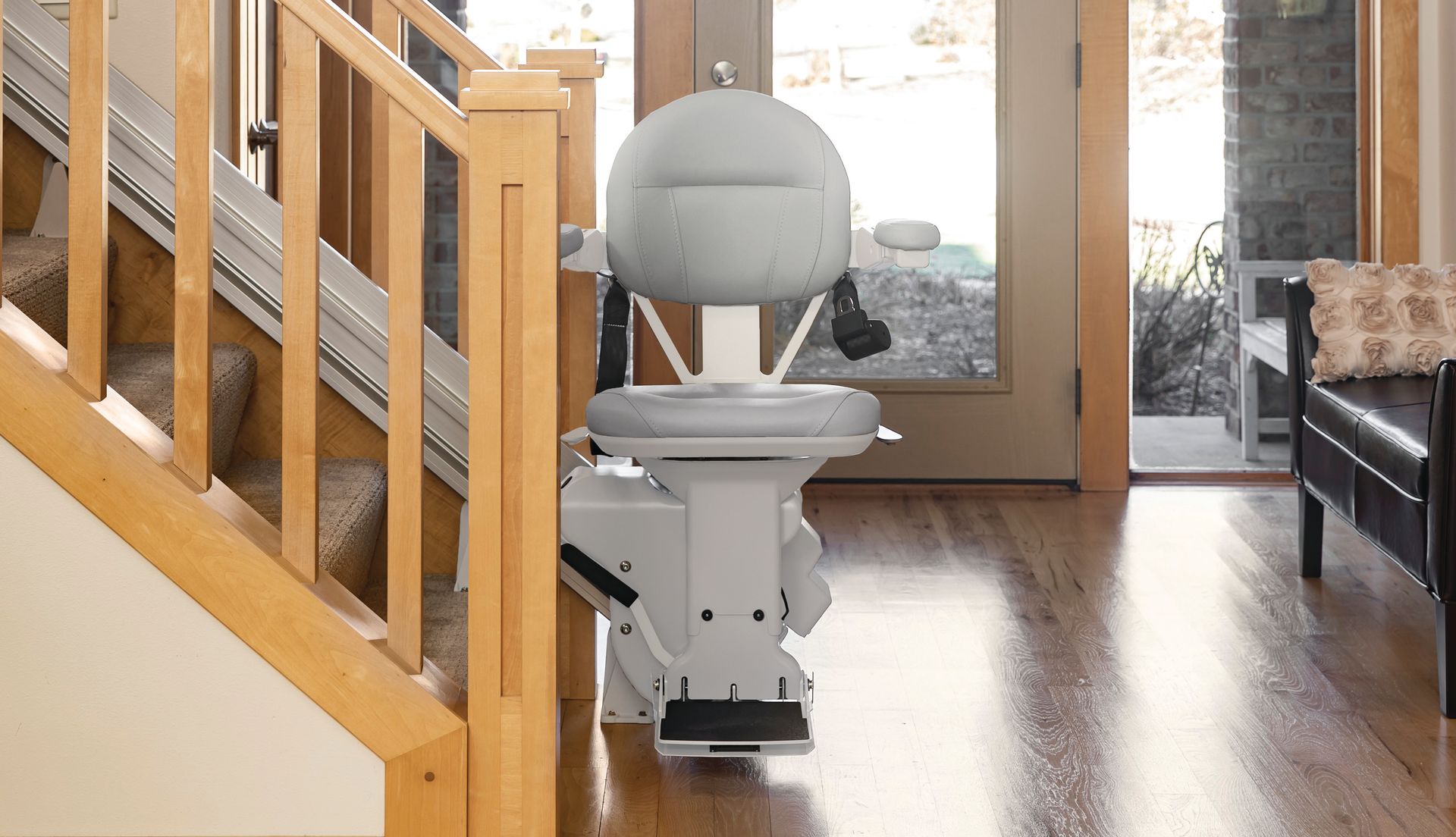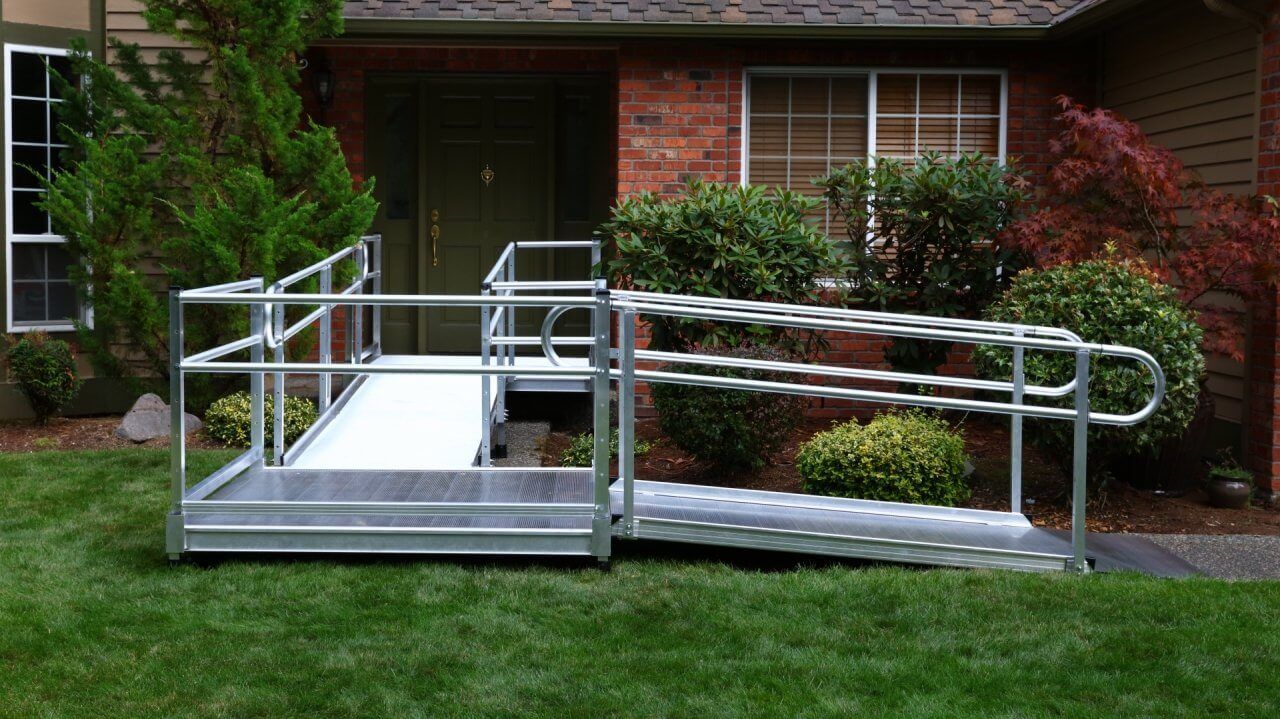



"Should we stay, or is it time to move?" It's one of the hardest conversations families have — and one of the most common reasons people call us. The honest answer is that it depends. Sometimes modifying the home you love is the smartest decision you'll ever make. Sometimes moving genuinely is the better path. This guide walks through both, with real numbers, so you can decide with clear eyes.
The Question Behind the Question
When someone asks "should we move?", they're usually really asking three things: Is this home still safe? Can we afford to stay? And will staying still work a few years from now? A house doesn't stop being home because it has stairs, a stepped entry, or a tub that's getting harder to climb into. Those are solvable problems — and solving them is usually far less disruptive, and less expensive, than most families assume.
The Honest Cost Comparison
Let's start with the numbers, because they surprise almost everyone. Moving to a senior living community isn't a one-time expense — it's a new monthly bill that continues every year. Home modifications, on the other hand, are largely one-time investments in a house you may already own.
| Option | Typical Cost | How It Recurs |
|---|---|---|
| Assisted living community | $6,200/month national median (about $74,400/year) | Every month, ongoing — and rates have risen year over year |
| Nursing home (private room) | About $129,575/year national median | Every month, ongoing |
| Straight indoor stairlift, installed | $3,000–$6,000 depending on model | One-time, plus routine service |
| Curved indoor stairlift, installed | $10,000–$17,000 depending on staircase | One-time, plus routine service |
| Wheelchair ramp | Varies by length, height & configuration — try our Cost Estimator | One-time, plus routine care |
Care costs: CareScout/Genworth Cost of Care Survey, 2025(national medians — local costs vary). Stairlift ranges reflect Bruno models Altamira installs; see our stairlift page for details by model.
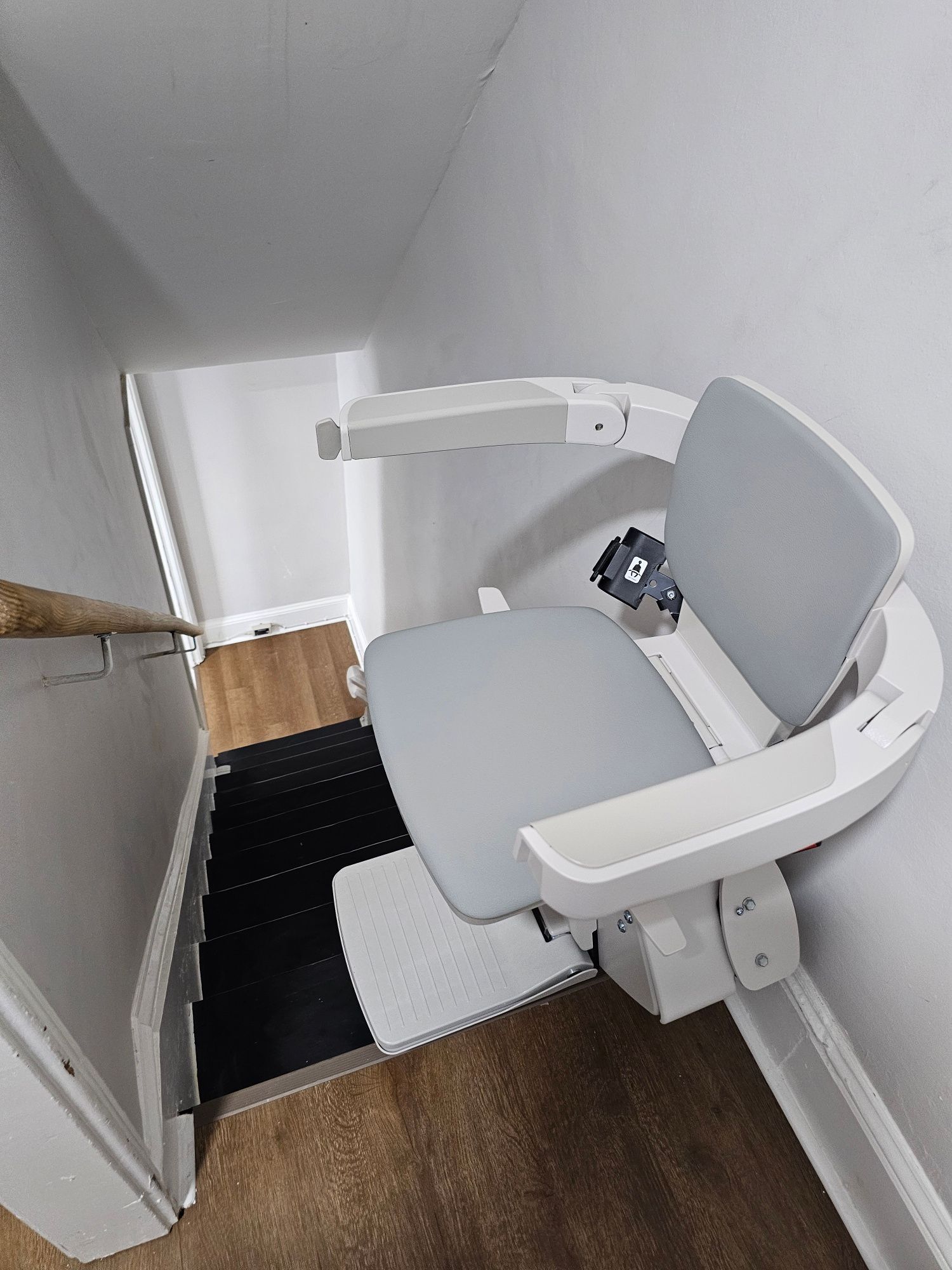
And moving has its own price tag beyond the new monthly bill: real estate commissions, closing costs, repairs to get a house market-ready, movers, and the things that don't fit in a smaller space. In other words, even a full set of home modifications can cost less than a single year of assisted living — and the modifications are still there working for you in year two, three, and ten.
To be fair, the comparison isn't only financial. Assisted living includes meals, housekeeping, social activities, and staff on site — real value if those are things you need. The point isn't that one option is always cheaper or better. It's that "we can't afford to stay" is often backwards: for many families, staying is the affordable option.
When Staying Home Makes Sense
Aging in place tends to be the right call when the obstacles are physical and fixable — the house is the problem, not the level of care needed. It's a strong option if most of these sound like you:
When Moving May Genuinely Be the Better Call
We'd rather tell you the truth than sell you equipment. There are situations where a move deserves serious consideration:
- Care needs go beyond mobility. If someone needs skilled nursing care around the clock, or advanced memory care, home modifications alone won't close that gap.
- Isolation is the bigger risk. If loneliness — not stairs — is the main threat to health and happiness, a community setting may genuinely help.
- The home fights every fix. Occasionally a layout, lot, or structure makes adaptation impractical. It's rare, but it happens — and an honest assessment will tell you.
- The finances point the other way. If the house itself has become unaffordable to keep — taxes, upkeep, utilities — modifications don't solve that.
If any of those describe your situation, talk it through with your family and, where health is involved, your doctor. And if you're not sure which side you're on, that's exactly what a free in-home assessment is for — we'll tell you honestly what's fixable and what isn't.
What an Aging-in-Place Plan Actually Looks Like
A good plan works through the home the way you actually use it. Here's how the pieces usually come together.
The stairs
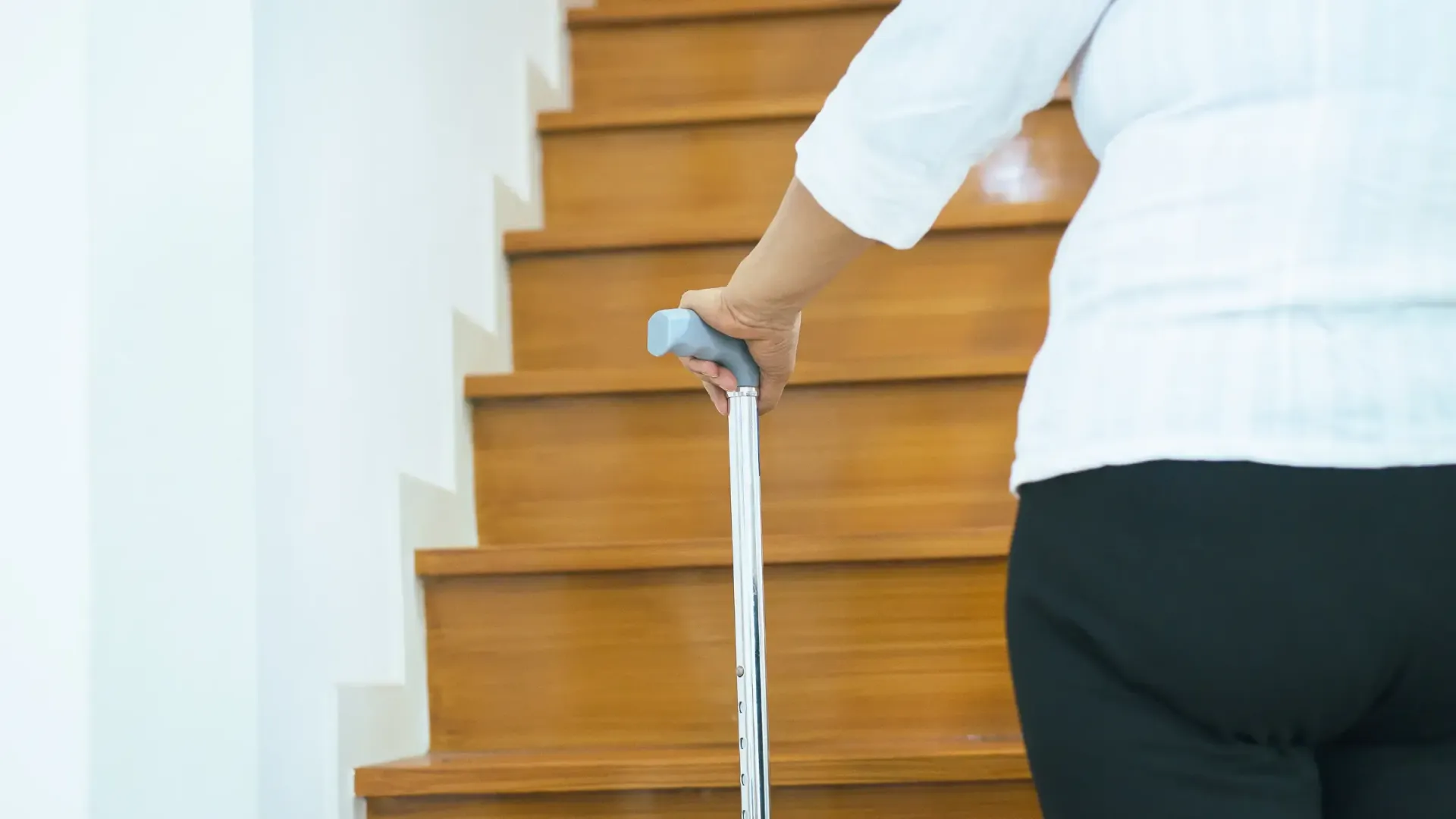
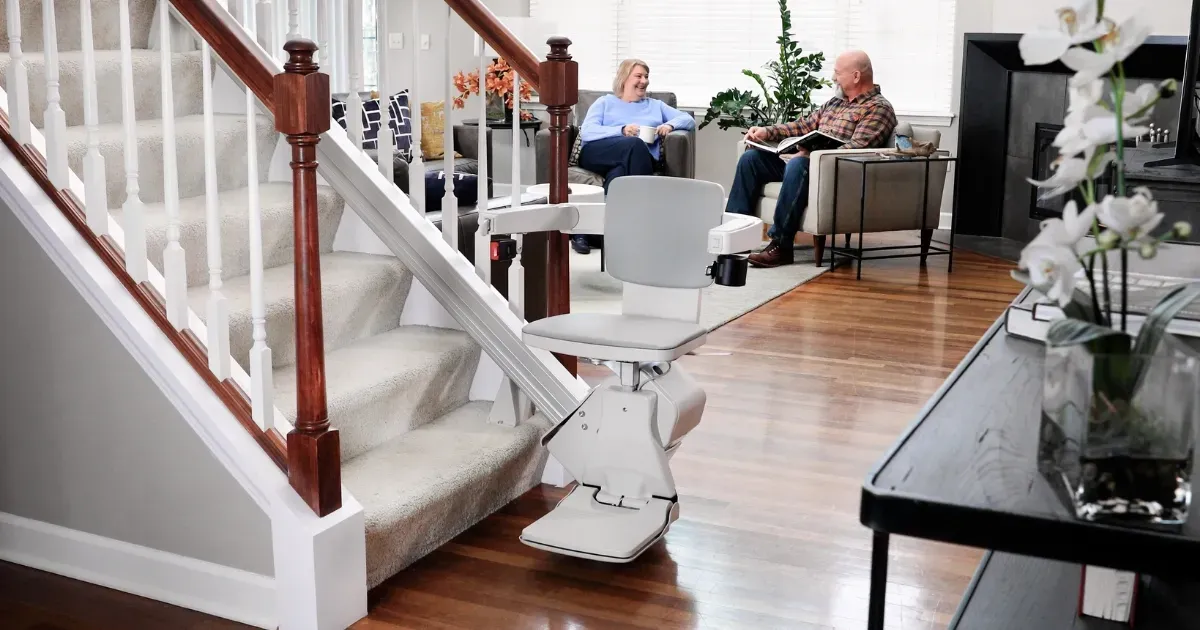
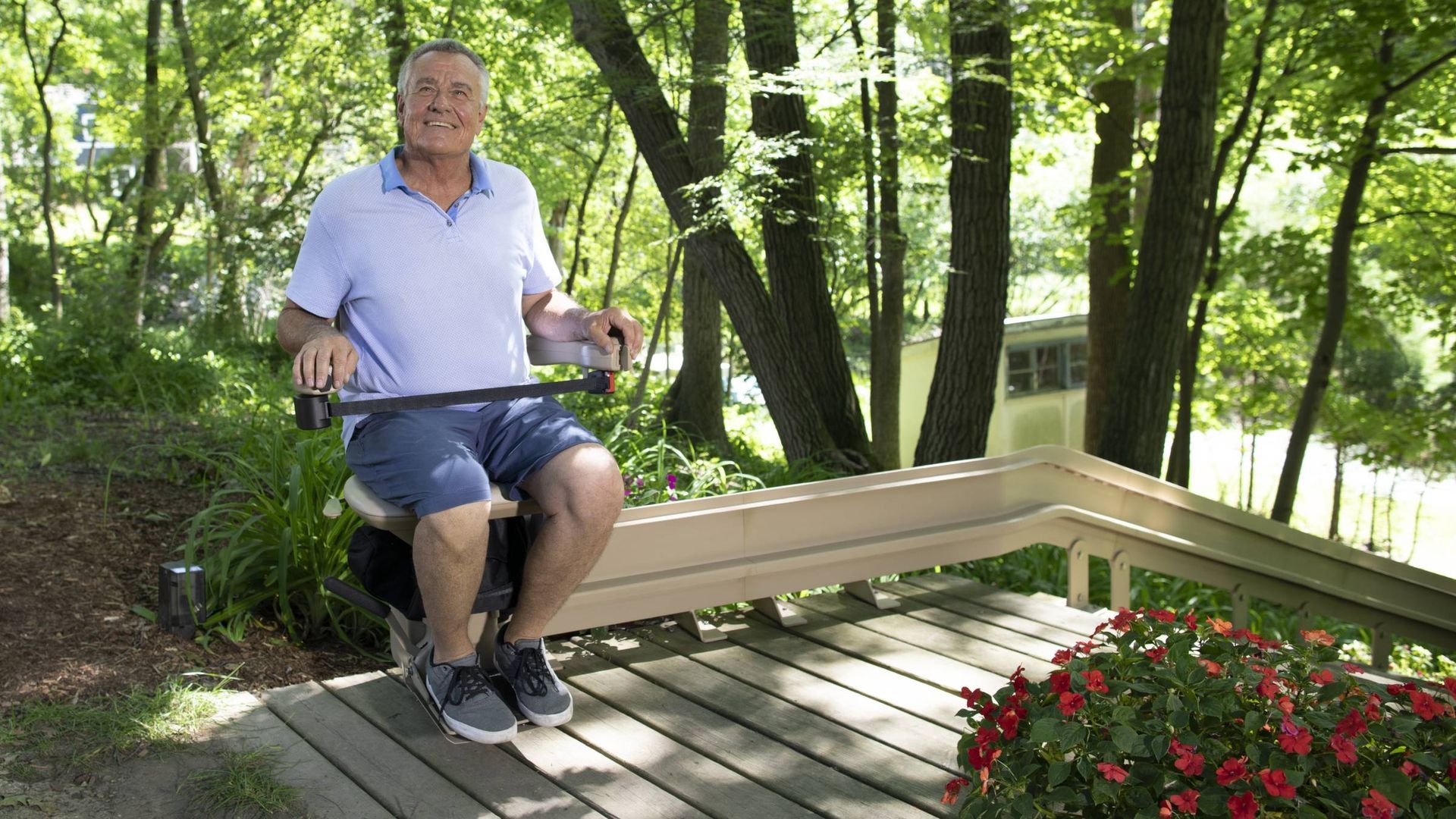
For most two-story homes, stairs are barrier number one — and a stairlift is the most direct fix. Straight staircases are typically a same-day installation, and curved or outdoor staircases have dedicated models too. You can compare features in our product brochures or see the equipment in action in our video library.
Getting in and out of the house
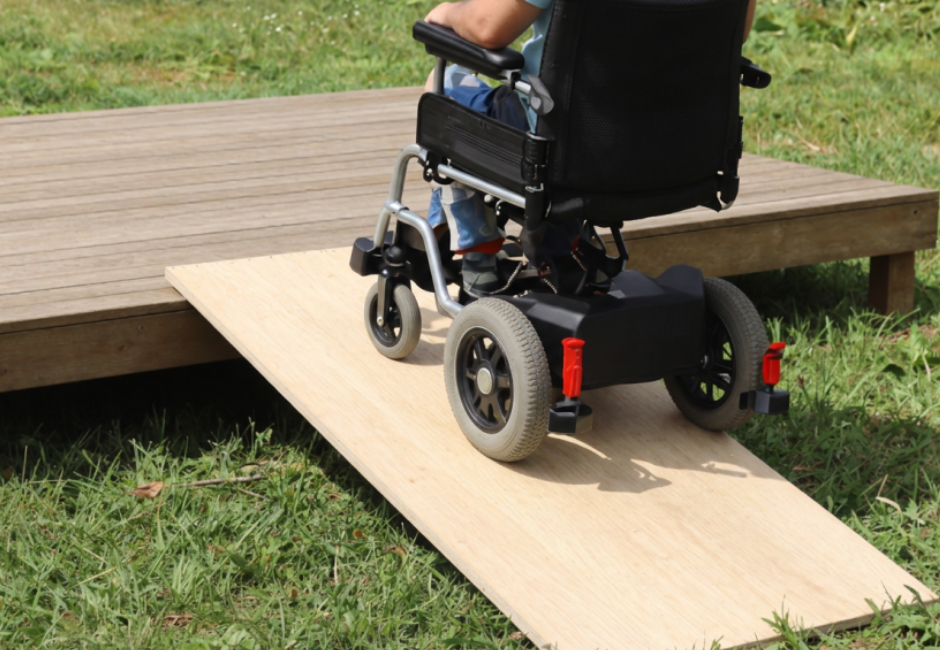
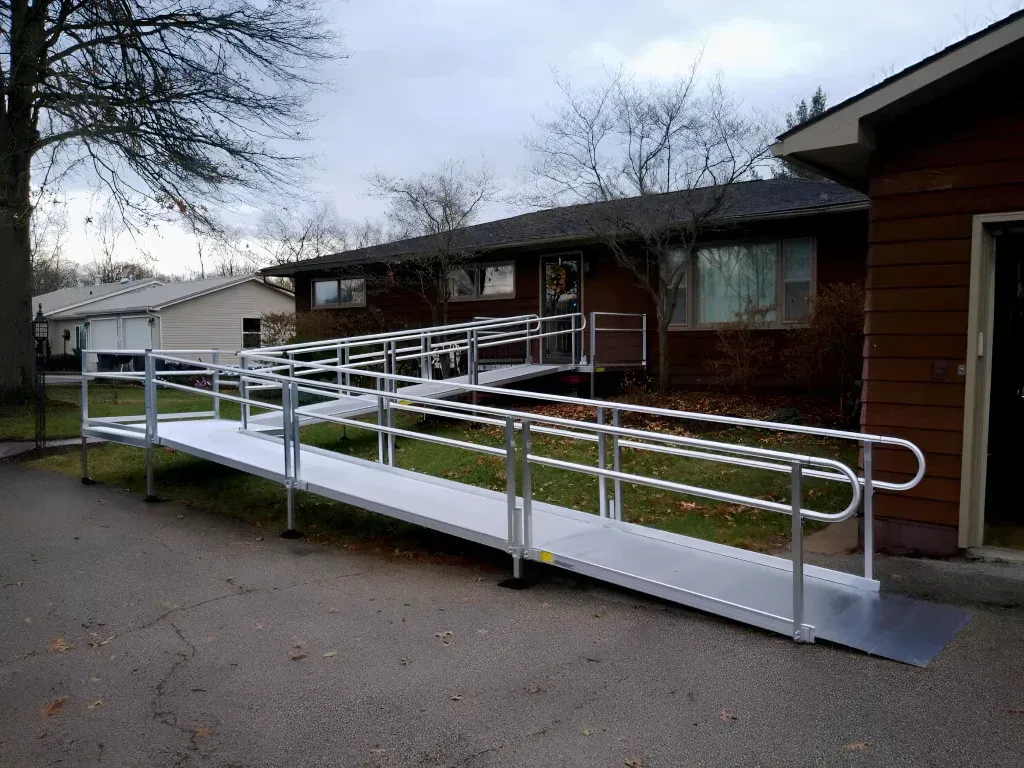
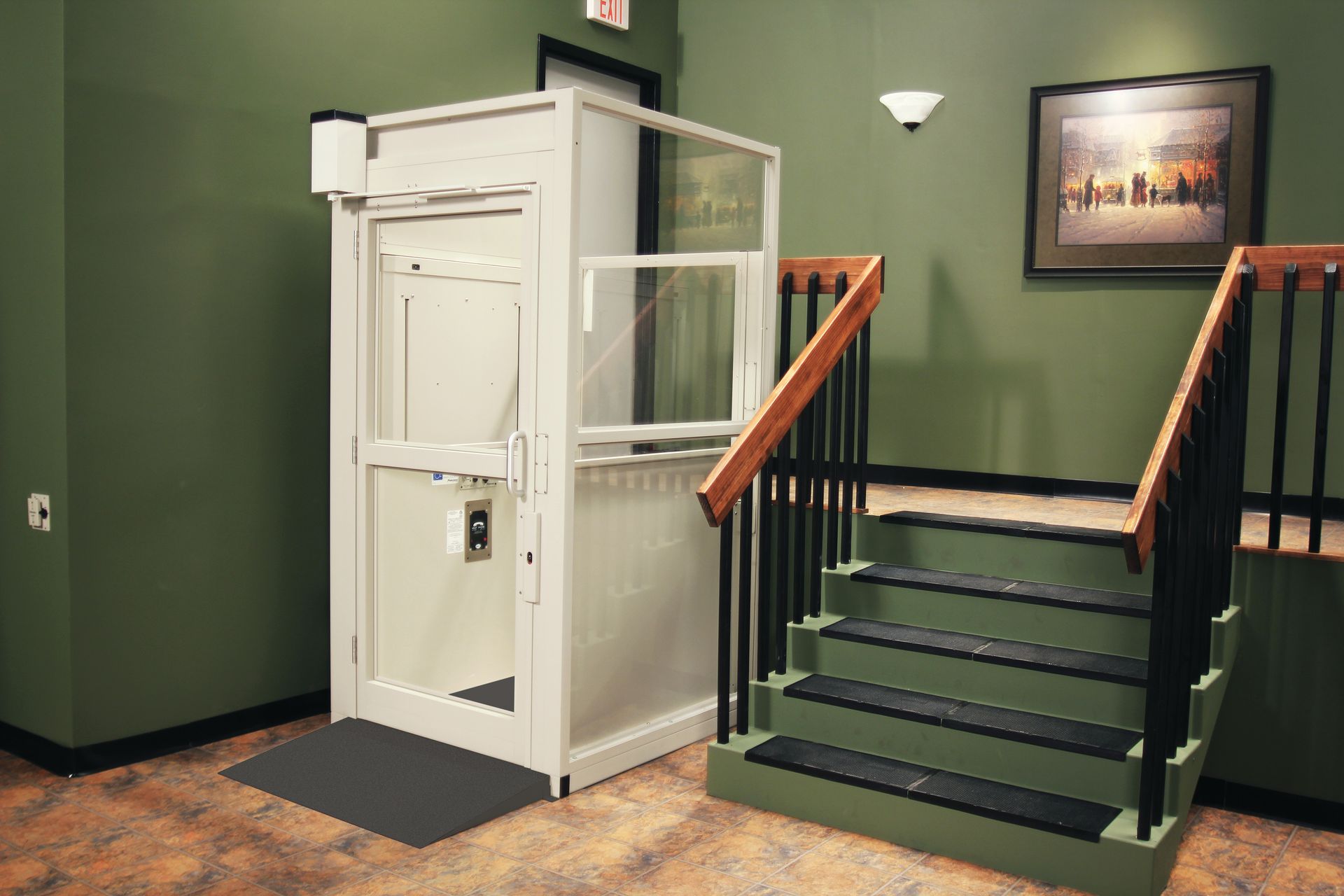
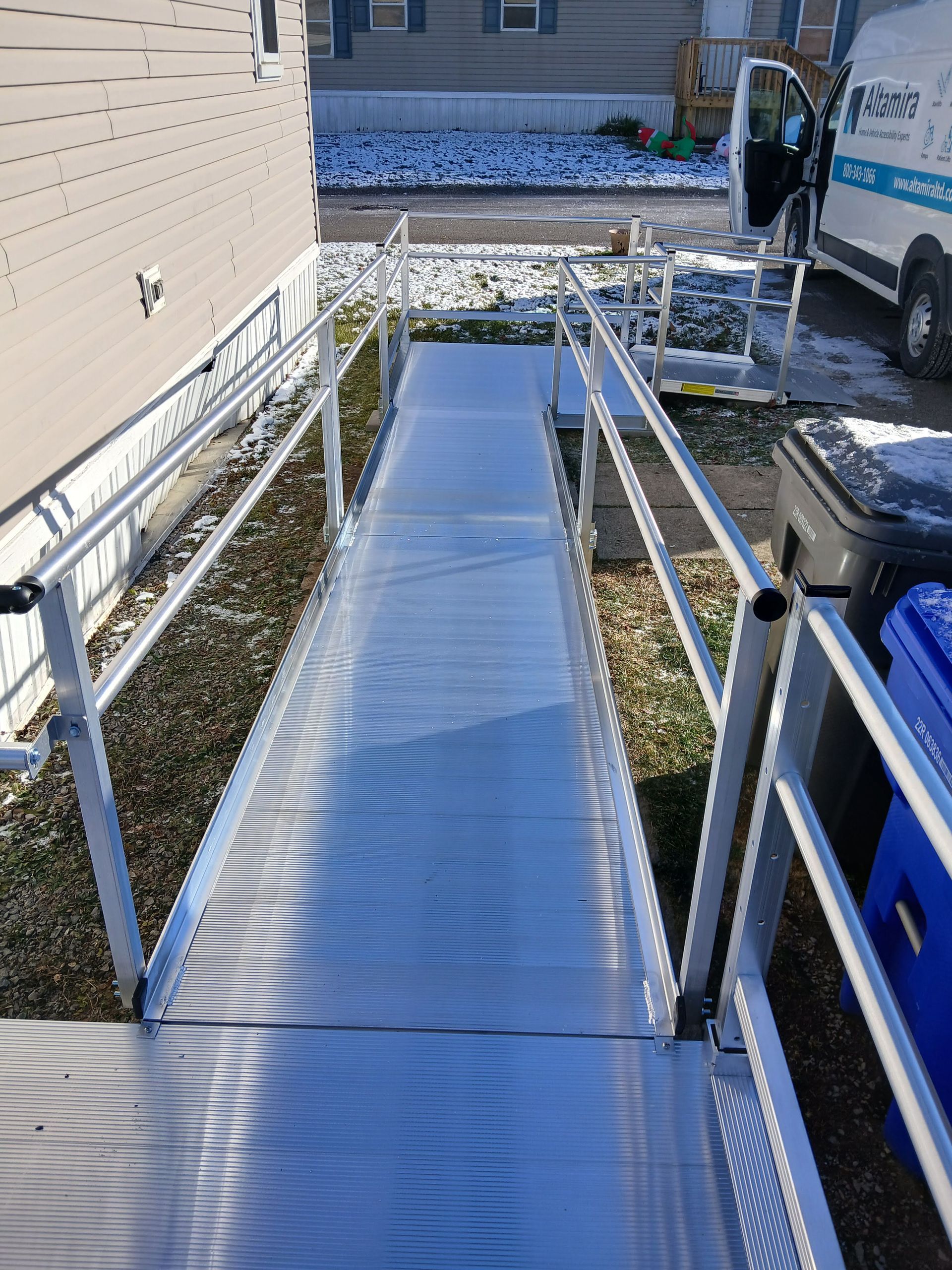
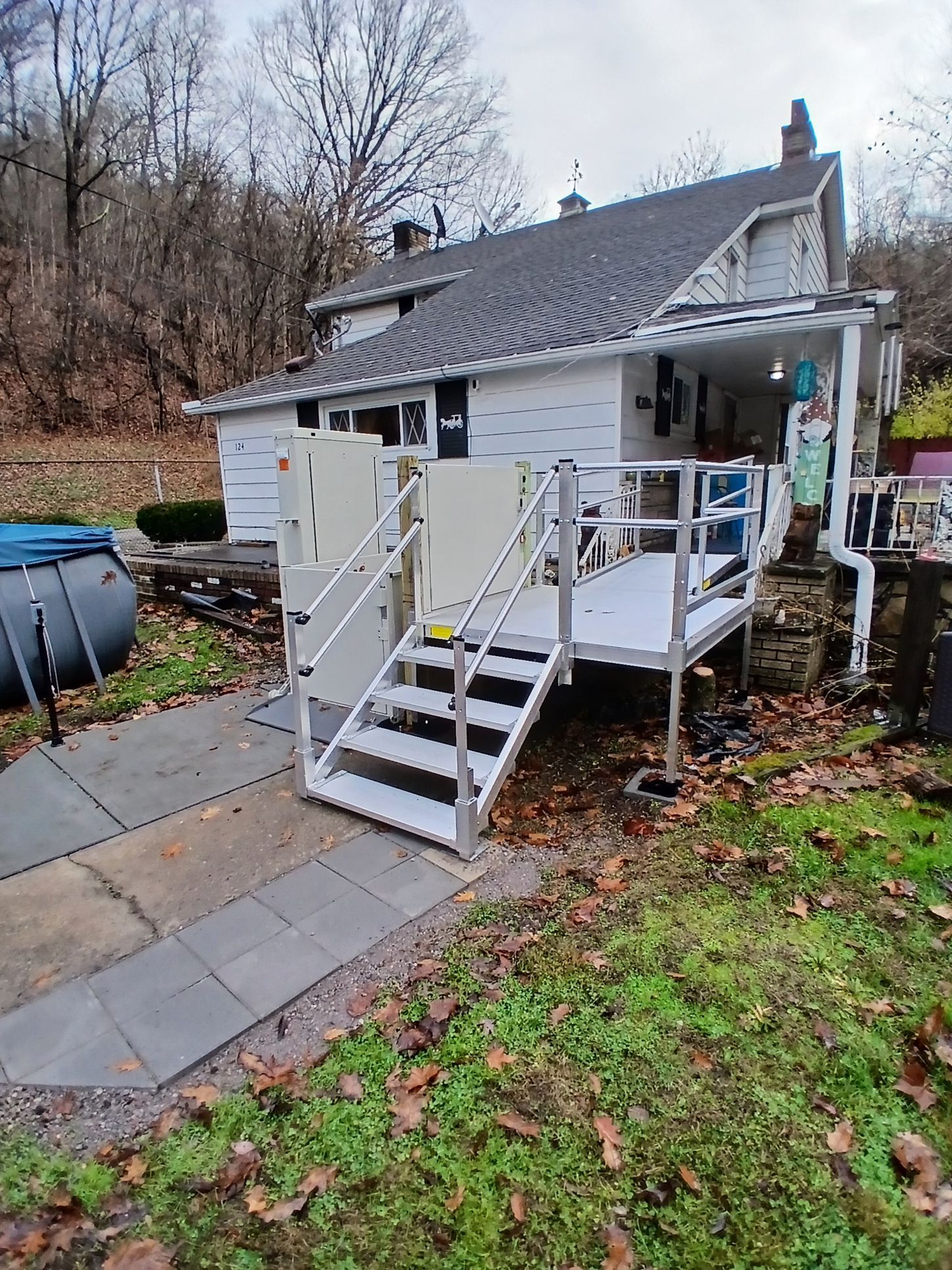
Entry steps stop wheelchairs, walkers, and tired knees alike. A wheelchair ramp solves it for many homes; where space is tight or the rise is high, a vertical platform lift may fit better. Our guide to choosing between a ramp and a platform lift breaks down the tradeoffs, and our free Ramp Calculator shows how much ramp your entry actually needs.
Daily routines
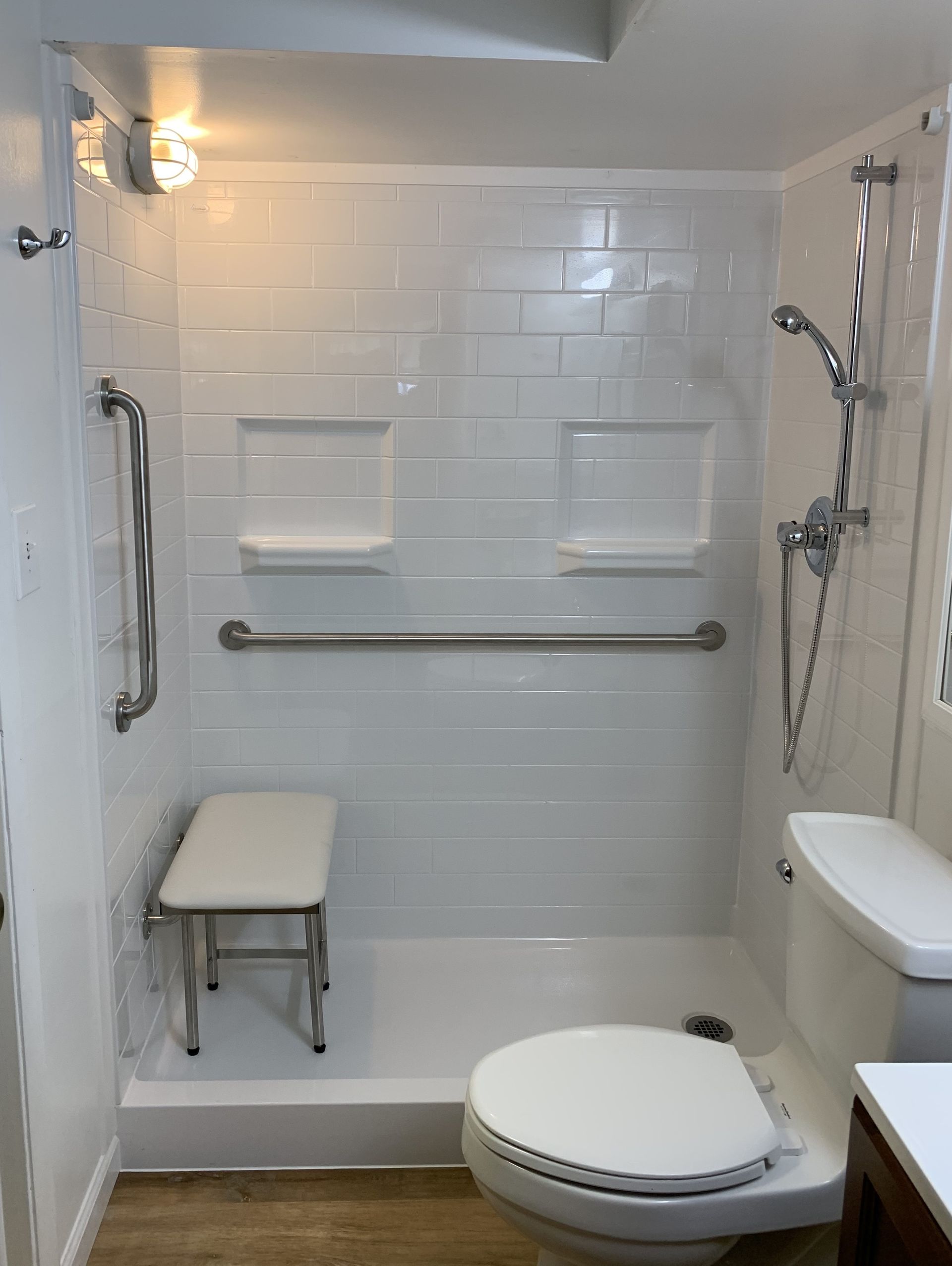
Bathing and toileting areas deserve attention in any stay-home plan — walk-in showers, grab bars, and related safety updates are available through our bathroom modification services in Pittsburgh and Indianapolis. Think through the kitchen, laundry, and lighting too: the goal is a home where the daily routine doesn't require a workaround.
Staying mobile beyond the house
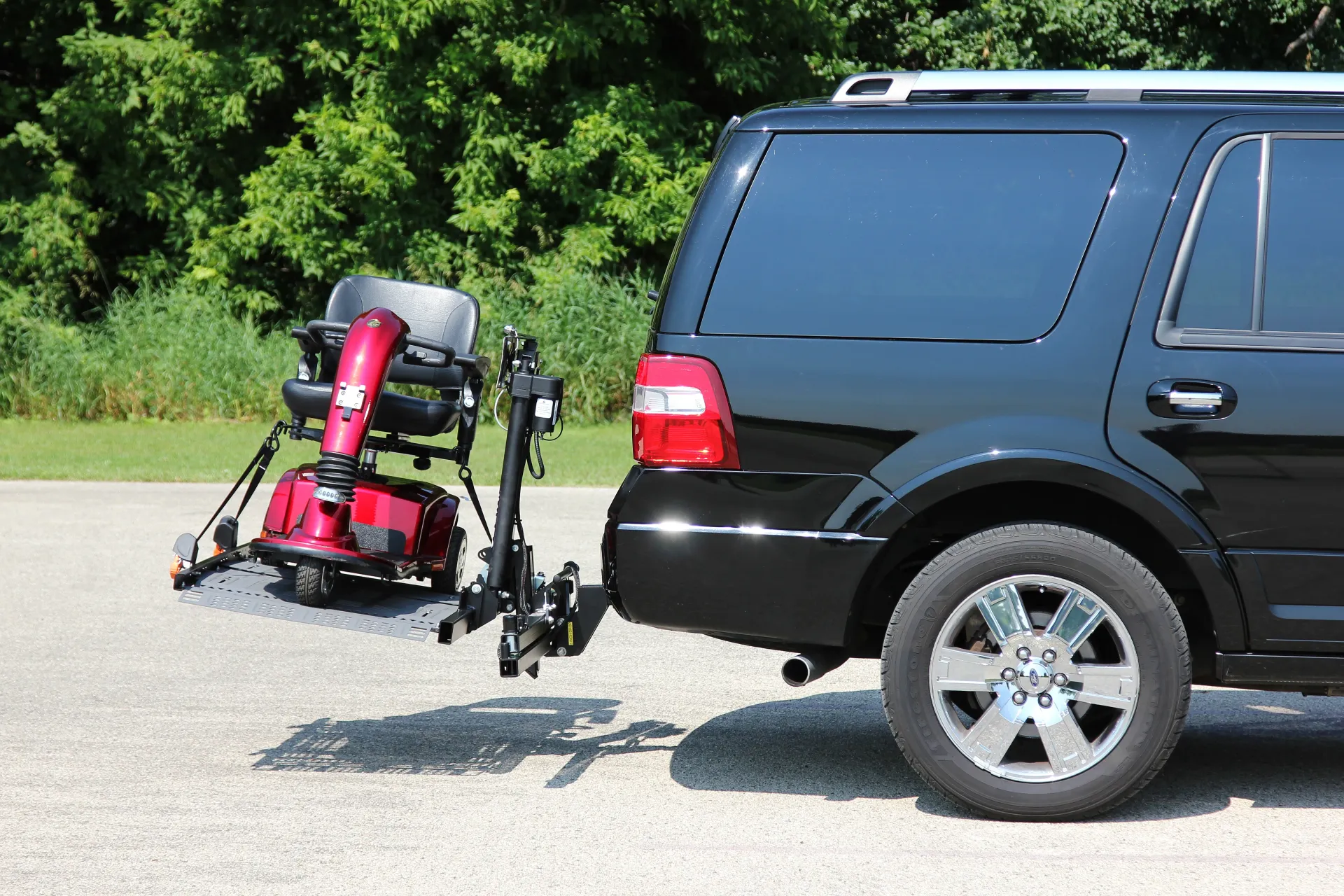
Aging in place shouldn't mean staying in place. If a scooter or power chair is part of daily life, a vehicle lift keeps errands, appointments, and visits on the calendar. Not sure what fits your vehicle? Our Auto Lift Finder narrows it down in about a minute.
Paying for It
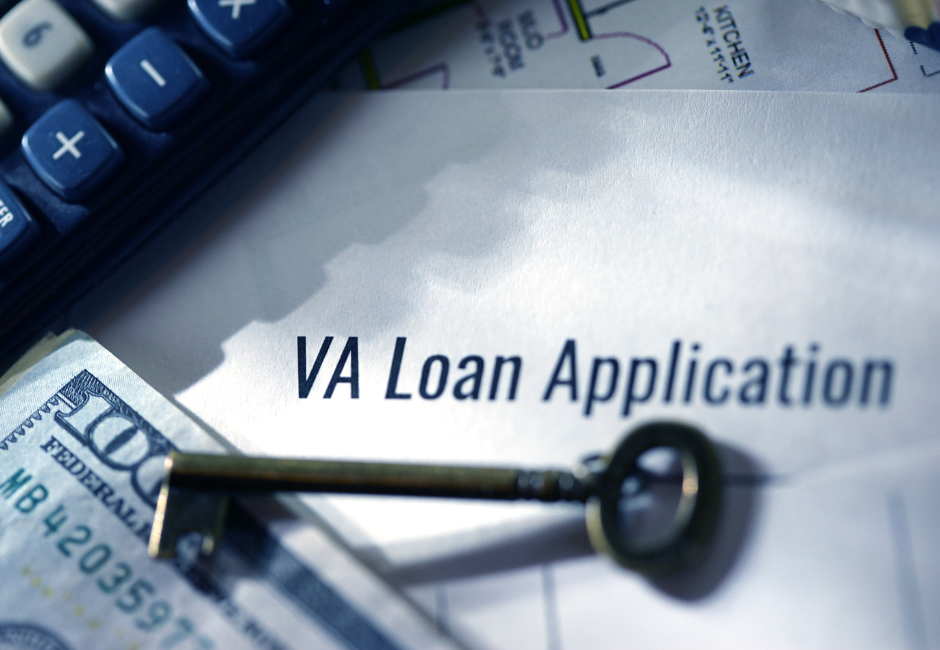
You may not have to fund modifications entirely out of pocket. Depending on your situation, help can come from VA programs, Medicaid waivers, state and local agencies, tax deductions, and financing — we cover all of them in our guide to 8 ways to pay for a stairlift or ramp. For Veterans, VA grant programs such as HISA, SAH, and SHA may help fund certain home modifications; each has its own eligibility rules and covered improvements, and the VA makes the final determination. As a Service-Disabled Veteran-Owned Small Business that has served 25,000+ Veterans, we're glad to help you understand which solutions fit your situation and what documentation the process involves.
Frequently Asked Questions
Is it cheaper to modify my home or move to assisted living?
In many cases, yes. The national median cost of assisted living is $6,200 per month — about $74,400 per year — and it recurs every year (CareScout Cost of Care Survey, 2025). Most home accessibility modifications are one-time investments. A straight stairlift, for example, typically runs $3,000 to $6,000 installed. Every home and situation is different, so compare your own numbers before deciding.
What home modifications help most with aging in place?
It depends on where your home works against you. Stairs are often addressed with a stairlift, entry steps with a wheelchair ramp or vertical platform lift, and bathing areas with walk-in showers and grab bars. A free in-home assessment can identify which changes would make the biggest difference in your home.
Can Veterans get help paying for home modifications?
Possibly. VA programs such as the HISA grant and the SAH and SHA grants may help eligible Veterans fund certain home modifications. Each program has its own eligibility rules and covered improvements, and the VA makes the final determination. Altamira has served 25,000+ Veterans and can help you understand which solutions fit your situation.
How do I know if my home can be adapted?
Most homes can be made significantly safer and more accessible, but the right starting point is an assessment of your specific layout — stairs, doorways, entryways, and bathing areas. Altamira offers free, no-obligation consultations so you can see what's possible in your home before making any decision about moving.
Not Sure Which Way to Go? Let's Look Together.
A free, no-obligation consultation will tell you honestly what your home needs to stay safe — and what it would cost. No pressure, just straight answers from a local, veteran-owned team serving PA, IN, KY, OH, and NJ.
Request a Free ConsultationPrefer to talk? Call 800-343-1066 or find your local Altamira office.