

You pull into the driveway, hug everyone at the door, and settle in for turkey and football. But somewhere between the stuffing and the pie, you notice something you haven't seen before. Mom pauses at the bottom of the stairs. Dad's laundry is piled by the basement door. The upstairs bedroom looks like nobody has slept in it for a while.
When you see someone every week, small changes are easy to miss. When you see them once or twice a year, those changes stand out. That makes a holiday visit one of the best chances you'll have to see how home is really working for your parents.
This isn't about diagnosing anything or making decisions over dessert. It's a simple guide to what's worth noticing, what it can mean, and what can help.
8 Things to Watch For at Mom and Dad's House
Keep this list in the back of your mind while you're home. You don't need to inspect anything. Just pay attention to how everyday routines are going.
 1
How they handle the stairs
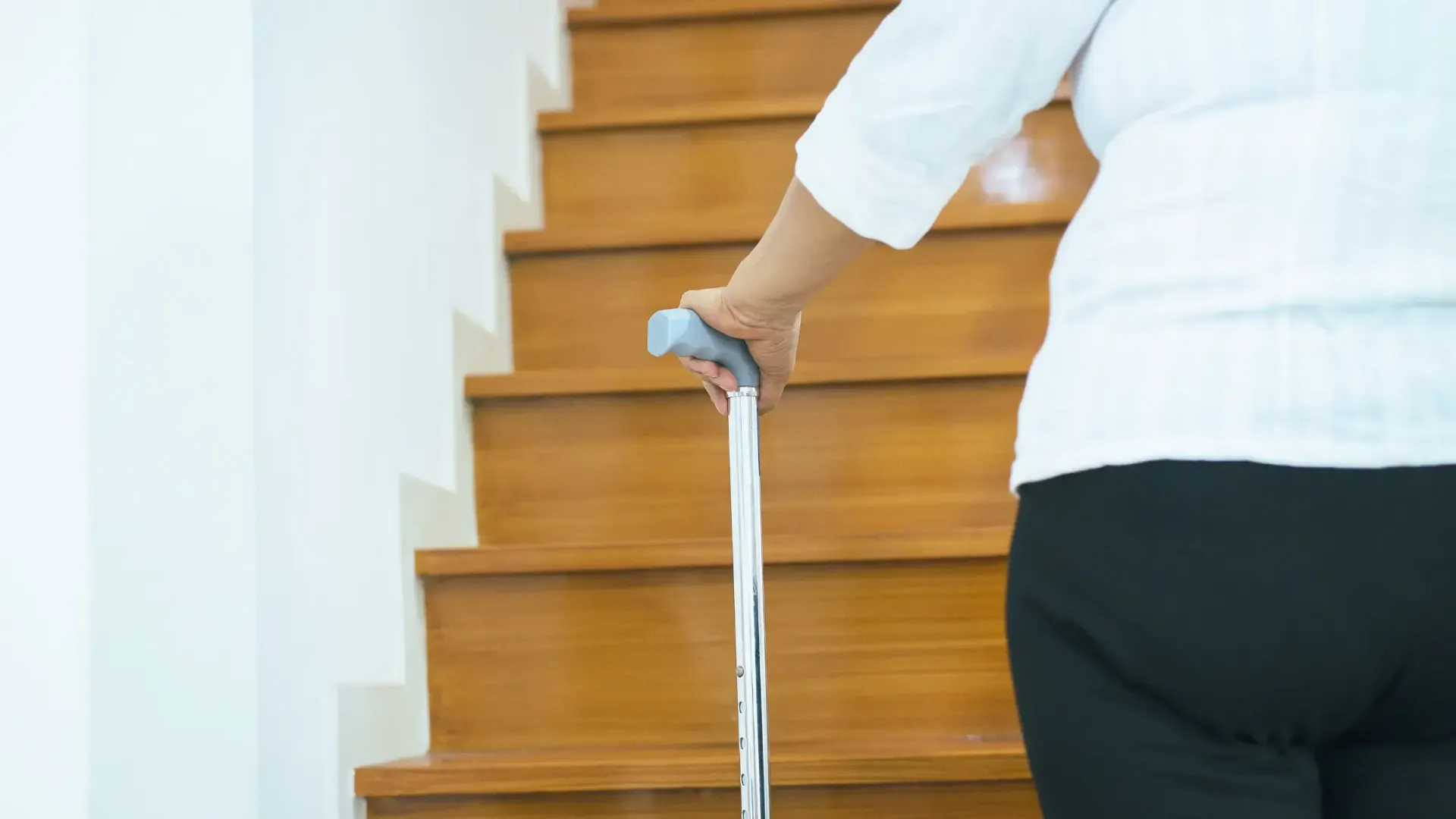
Watch the trip upstairs at bedtime. Are they gripping the railing with both hands, taking one step at a time, or stopping halfway to rest? Do they wait until someone is nearby before heading up?
 2
The upstairs is going unused
A bed moved into the living room. Clothes living on the dining room chairs. A recliner that has quietly become where someone sleeps. These are often workarounds for stairs that have gotten hard, even if nobody says so.
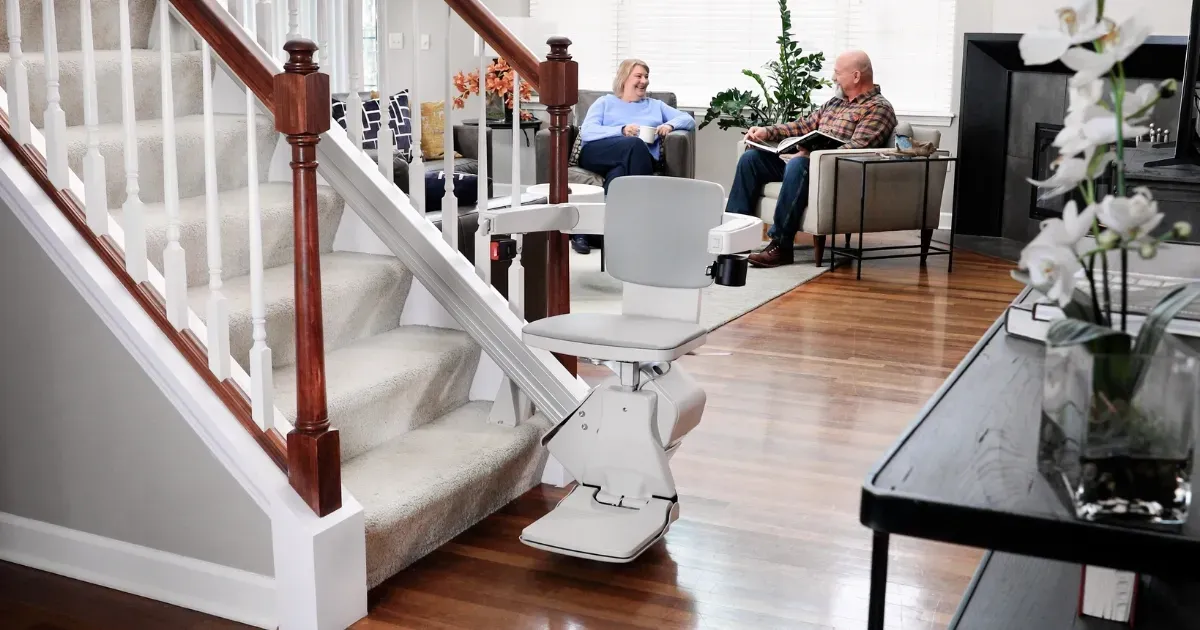
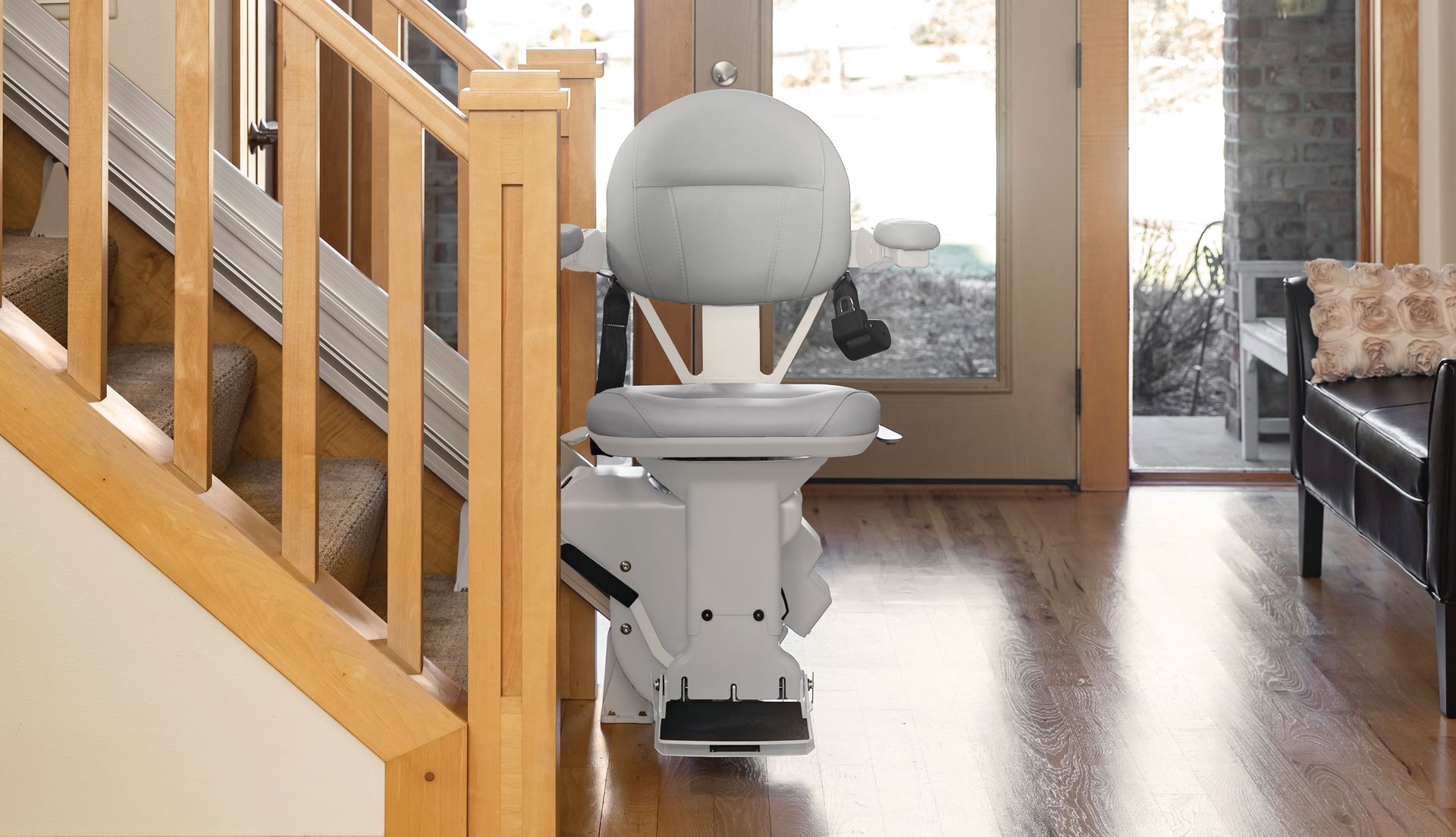
What can help: Sometimes the downstairs setup is the right answer. But if your parents would rather keep their bedroom and bathroom upstairs, a stairlift can make that possible again.
 3
The basement has become off-limits
In many homes, the washer and dryer live in the basement. If laundry is piling up, or a neighbor or relative has been "helping out" with it, the basement stairs may be the reason. Basement stairs are often steeper and dimmer than the main staircase.
What can help: Stairlifts aren't only for the main staircase. Ask about the basement stairs during a free consultation so the right model can be matched to that staircase.
 4
The front steps are keeping them in
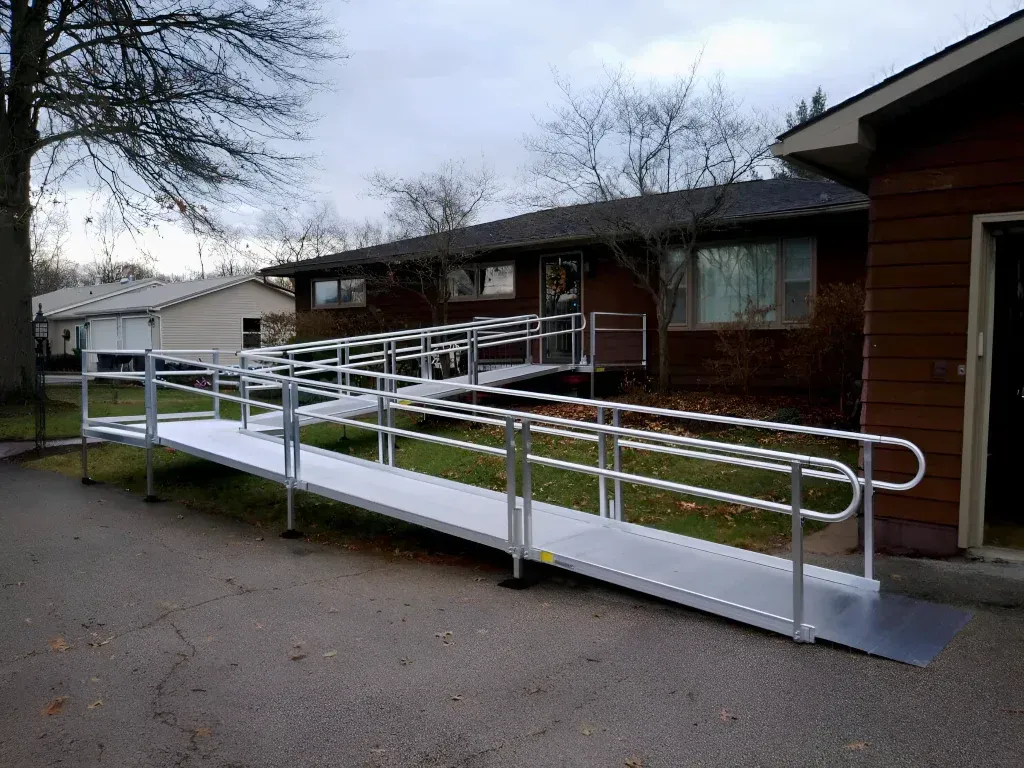
Notice how they come and go. Do they use the garage door because it has fewer steps? Have they stopped getting the mail, going to church, or joining family outings because the porch steps are too much? Watch how the steps go for anyone using a walker or wheelchair.
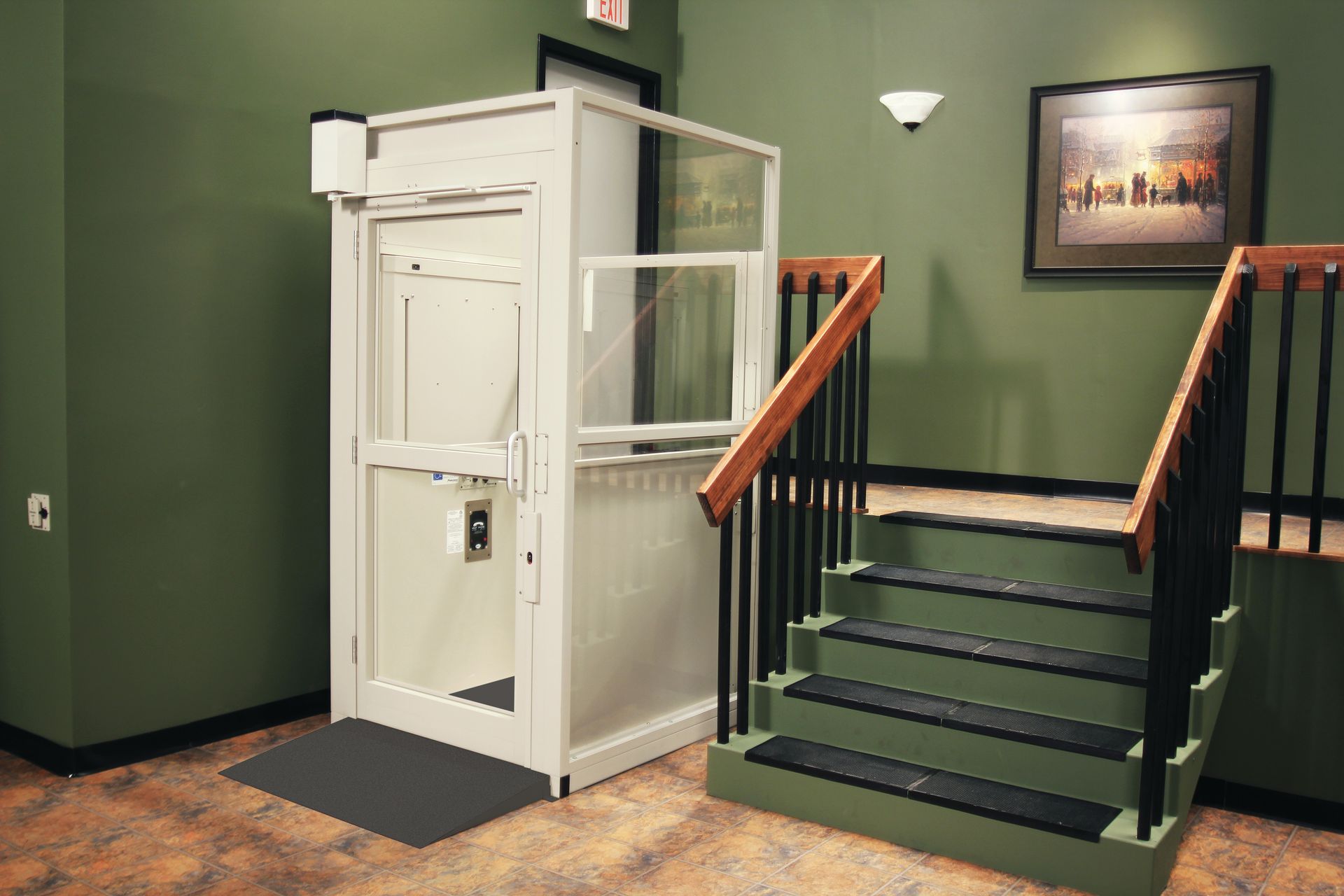
What can help: A wheelchair ramp is a common fix for entry steps. Where there isn't room for a ramp, a wheelchair lift can be another option. Our ramp calculator gives a rough idea of ramp length based on step height.
 5
The bathroom has become a struggle
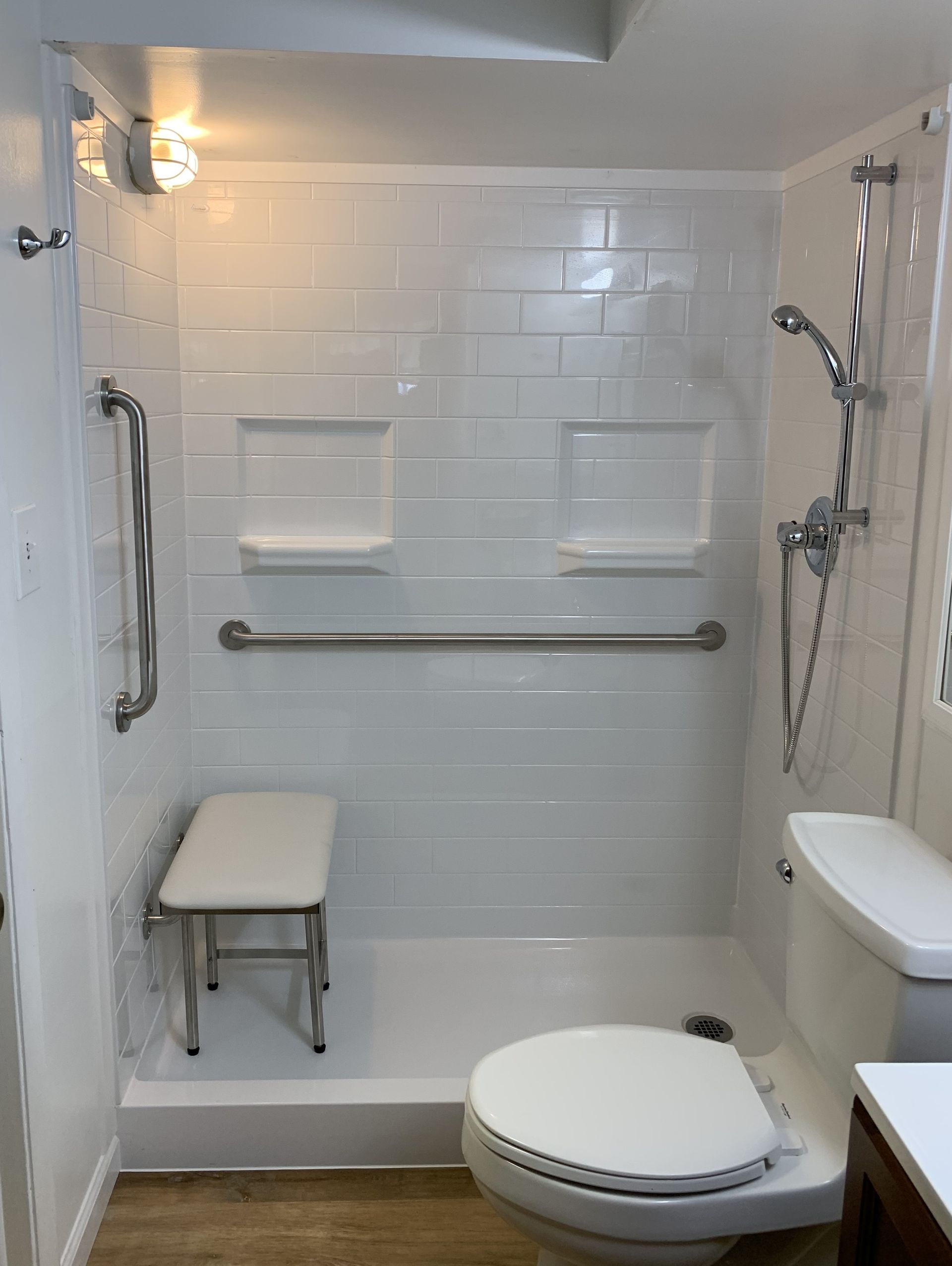
Look for a towel bar or the sink edge being used as a handhold, a bath mat that slides, or a tub wall that's hard to step over. If showers seem less frequent than they used to be, the tub ledge may be part of the reason.
The CDC's home safety checklist recommends a non-slip mat or strips in the tub or shower, plus grab bars next to and inside the tub and next to the toilet.
What can help: For bigger changes, Altamira offers bathroom modifications such as walk-in showers through our Pittsburgh and Indianapolis locations. We also offer portable showers. Ask your local branch what's available in your area.
 6
Dim light and things underfoot
Walk the house after dark. Is there a light switch at both the top and bottom of the stairs? Are there throw rugs, cords across walkways, or piles on the steps? These are some of the easiest problems to fix, and you might handle several before you leave.
Quick fixes from the CDC's home fall prevention checklist: keep objects off the stairs, remove rugs or use non-slip backing, add a nightlight and a lamp within reach of the bed, and make sure handrails run on both sides of the stairs, the full length.
 7
The wheelchair or scooter stays home
If a parent uses a scooter or power chair, notice whether it actually leaves the house. If lifting it into the car has become too hard, it may stay home. That can mean shorter outings, skipped appointments, or missing the holiday get-together altogether.
What can help: A vehicle lift loads a scooter or power chair into the car without heavy lifting. Our Auto Lift Finder helps narrow down which lift fits your vehicle and mobility device.
A fall or close call nobody mentioned
Bruises they can't quite explain. A comment like "oh, I just slipped a little." A new hesitation in a spot that never bothered them before. Fewer than half of older adults who fall tell their doctor, so a quiet story like this matters.
What can help: Start with their doctor, who can look at causes such as medications, vision, and balance. Then look at the home itself. A free consultation with Altamira can help you see which changes, if any, make sense.
Your 2-Minute Visit Checklist

How to Bring It Up Without a Fight
Noticing is the easy part. Talking about it is harder, especially with parents who have taken care of themselves, and you, for a long time.
- Pick a quiet moment. Not at the dinner table with the whole family watching.
- Lead with what they want. Most people want to stay in their own home. Frame changes as a way to make that possible, not as a sign they can't manage.
- Ask, don't tell."How are the basement stairs these days?" opens a conversation. "You can't do those stairs anymore" closes it.
- Start small. A nightlight or a cleared stairway is an easy first step and can make later conversations easier.
- Leave the decision with them. The goal of this visit is a conversation, not a contract.
If Mom or Dad Is a Veteran
The VA's Home Improvements and Structural Alterations (HISA) grant may help pay for some medically necessary home changes, such as permanent ramping or making a bathroom usable.
Lifetime benefit for qualifying service-connected situations.
Lifetime benefit for other Veterans who qualify.
Good to know: The VA lists stair glides, portable ramps, and porch lifts as items HISA does not cover. Every project must be medically justified, and the VA makes the final eligibility decision.
Details: VA Prosthetic and Sensory Aids Service, HISA. As a Service-Disabled Veteran-Owned Small Business SDVOSB , Altamira works with Veteran families and can help you understand your options and paperwork.
Common Questions
What should I look for when visiting aging parents over the holidays?
Watch how they handle stairs, the basement, the front steps, the bathroom, lighting and clutter, getting a wheelchair or scooter into the car, and whether there has been a fall or near-miss they have not mentioned. Changes since your last visit are often easier to spot than day-to-day.
Does the VA HISA grant pay for a stairlift?
No. VA lists stair glides, portable ramps, and porch lifts as removable equipment that HISA does not cover. HISA can help with medically necessary improvements such as permanent ramping or bathroom access. The VA makes the final eligibility decision.
Does Altamira charge for a consultation?
No. Altamira offers a free consultation. You can request one online or call 800-343-1066.
Noticed Something This Visit?
You don't have to figure it out on your own, or decide anything today. Talk with Altamira about what you saw. We serve families from Pittsburgh PA, Indianapolis IN, Lexington KY, Henderson KY, Edison NJ, and Dayton OH.