
Indianapolis Accessibility Funding
Help Paying for Home Accessibility Modifications in Indianapolis
Last reviewed and updated: August 2026
Indianapolis and Central Indiana residents may have access to several programs that can help with qualifying home repairs, accessibility modifications, or mobility needs. Options include VA benefits, Indiana's CHOICE program, CICOA home-modification assistance, Indiana Medicaid PathWays for Aging, Indianapolis homeowner-repair programs, nonprofit assistance, and financing.
The key is matching the right program to the right project. A wheelchair ramp, stairlift, accessible bathroom, grab bar installation, or other modification may be treated very differently depending on the funding source.
Do not purchase equipment or begin construction solely because a program appears to cover similar work. Many VA and Medicaid programs require medical justification, prior authorization, an assessment, or an approved scope of work before the project begins.
For Indianapolis Veterans & Service Members
VA offers several accessibility benefits, but HISA, SAH, SHA, and VA-provided accessibility equipment have different eligibility rules.
VA HISA — Home Improvements and Structural Alterations
Veterans & Service MembersHISA is a VA health care benefit for medically necessary improvements and structural alterations to a Veteran's or service member's primary residence. It provides a lifetime benefit of up to $6,800 or $2,000, depending on the applicable eligibility category.
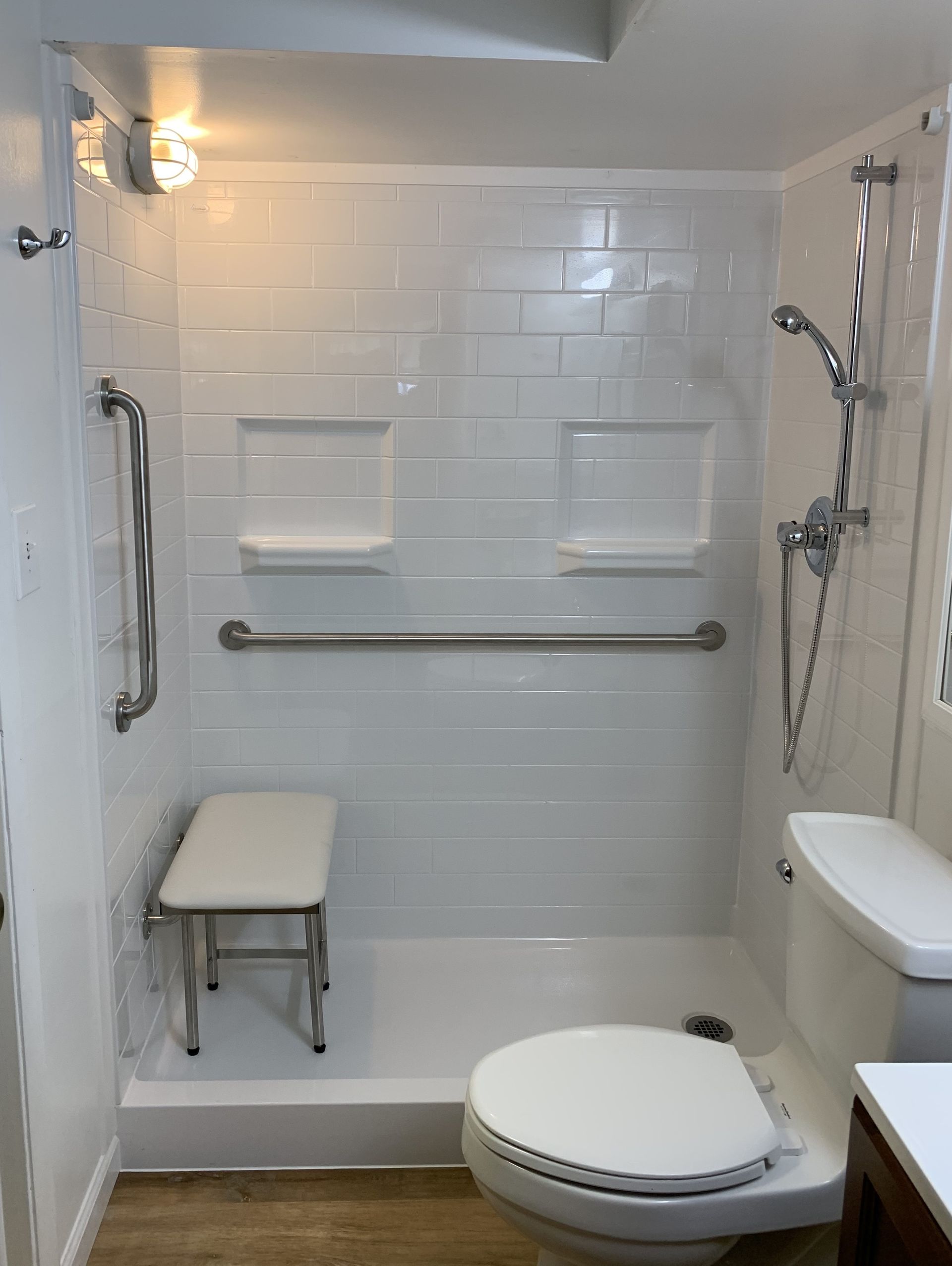
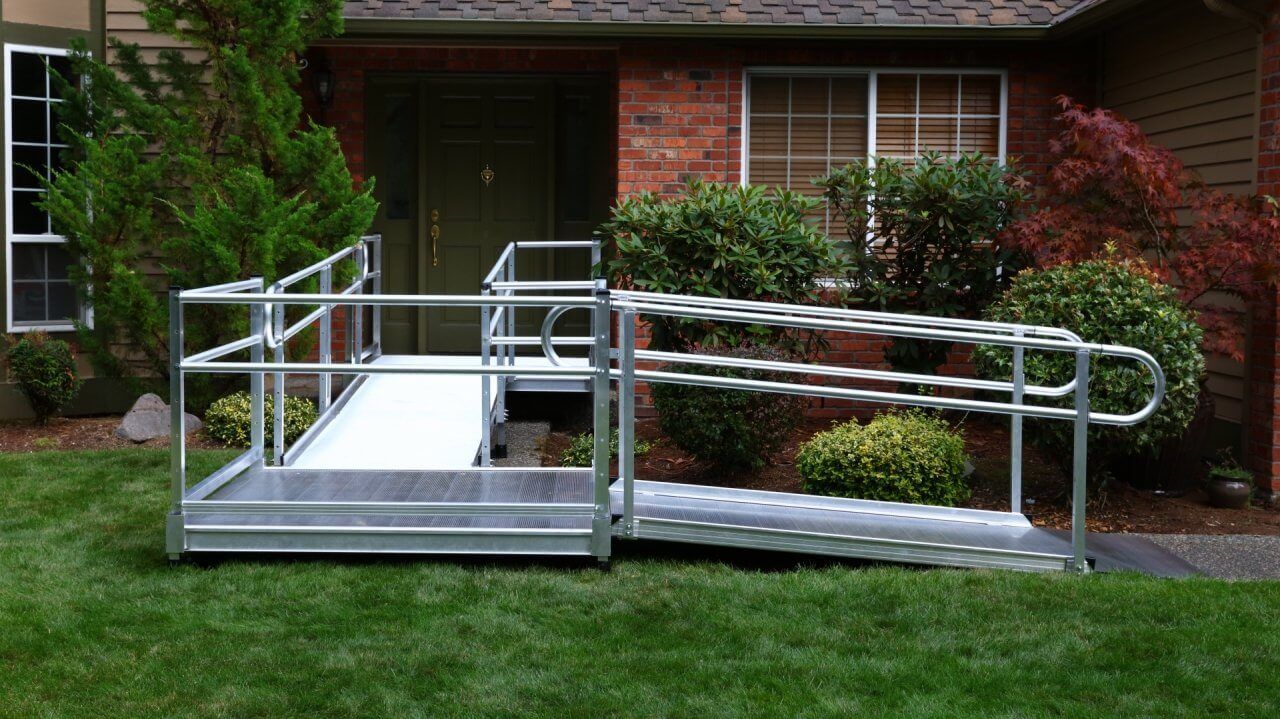
Examples of qualifying purposes can include medically necessary permanent ramping, roll-in shower alterations, accessibility to certain sinks and counters, and plumbing or electrical changes required because of prescribed home medical equipment.
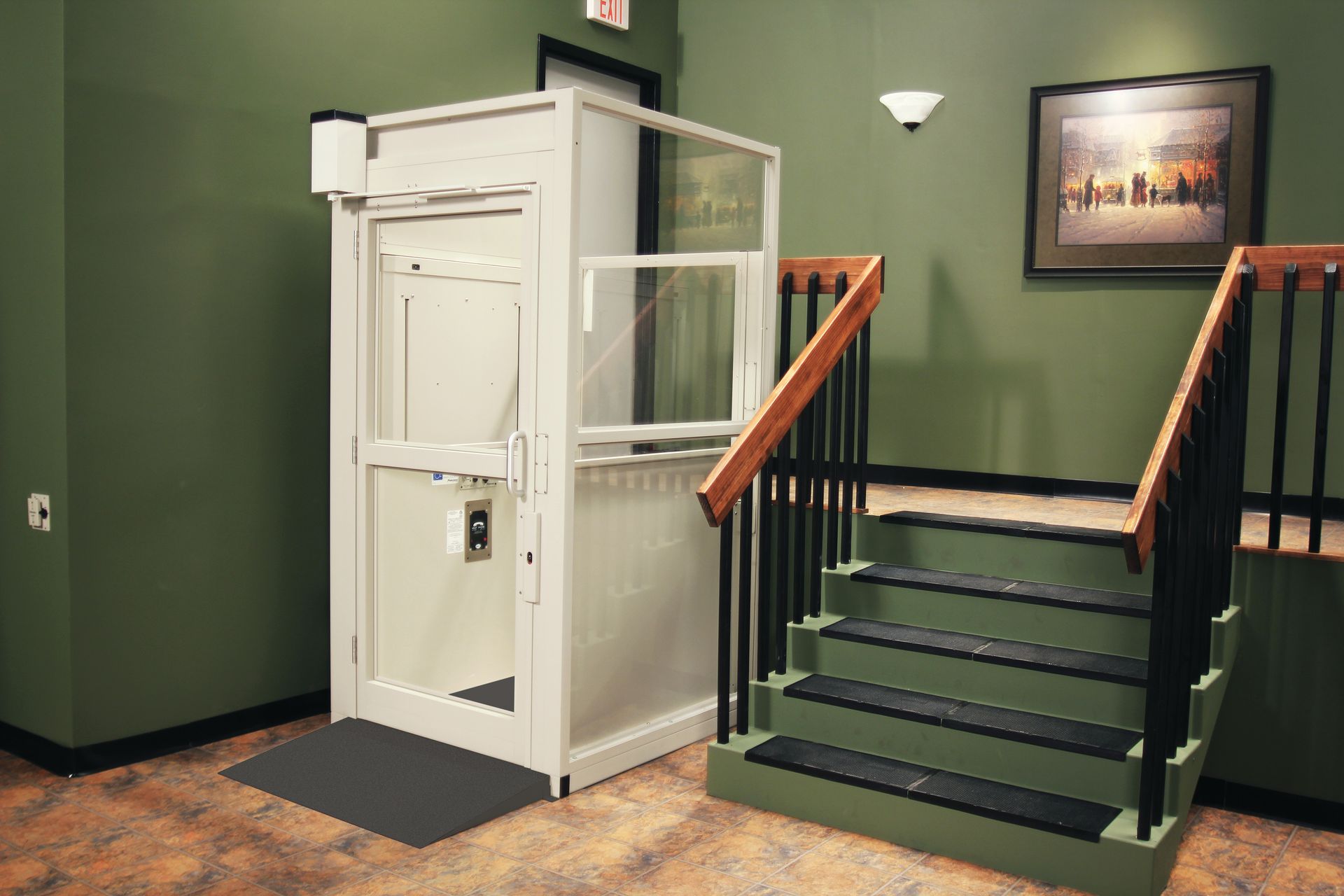
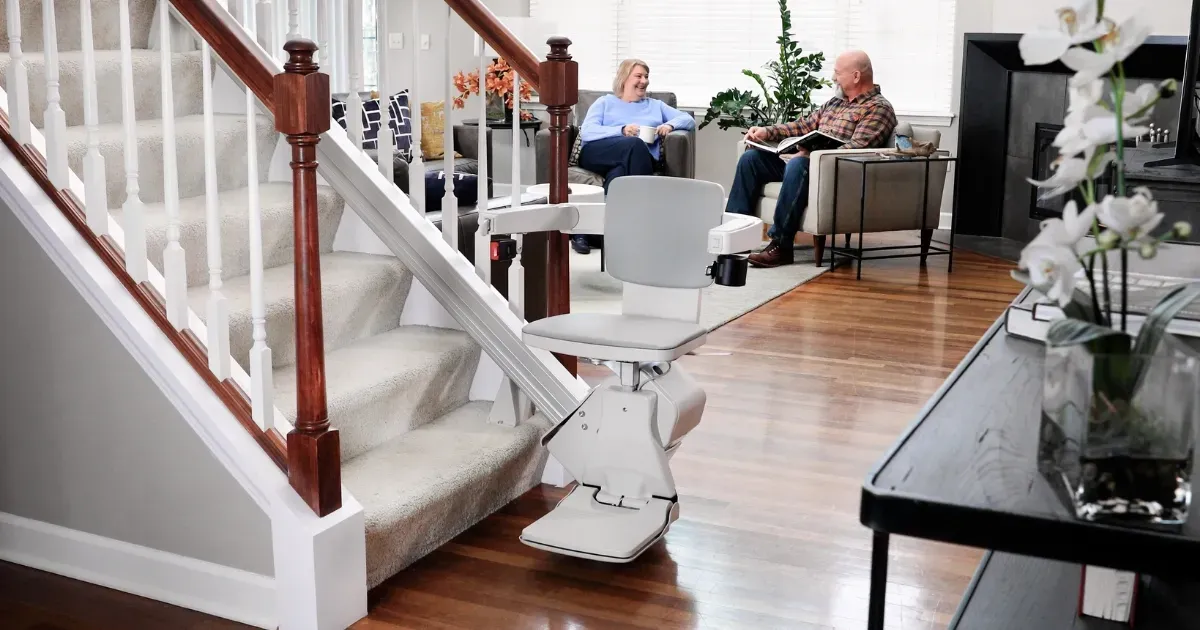
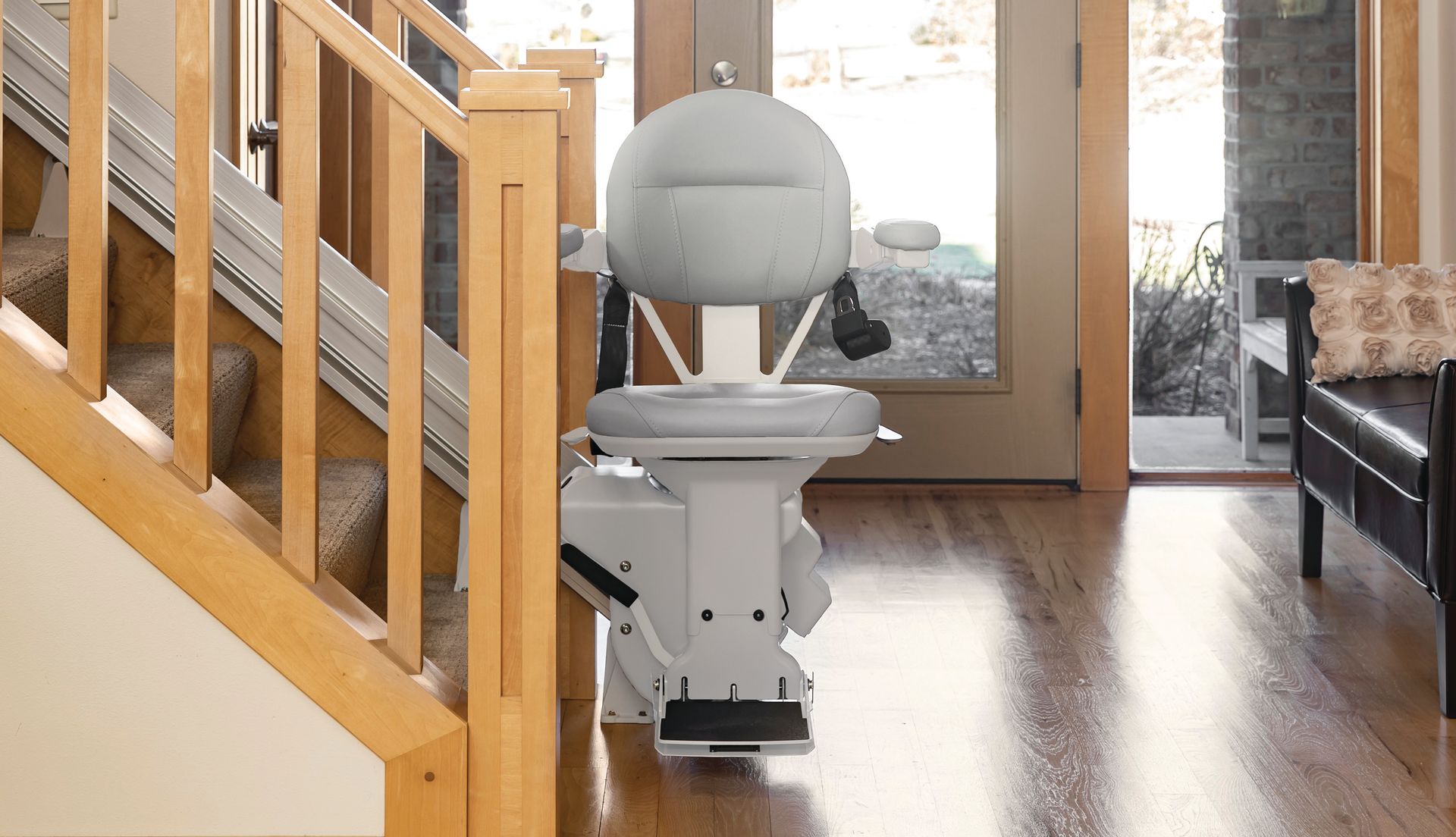
HISA does not cover stairlifts, vertical platform lifts, or portable ramps. VA specifically excludes stair glides, porch lifts, and portable ramps from HISA. Other VA benefits or equipment programs may apply to certain accessibility devices, but they should not be described as HISA-funded equipment.
Indianapolis starting point: Richard L. Roudebush VA Medical Center in Indianapolis provides prosthetics and rehabilitation services. Veterans should contact their VA care team or Prosthetic and Sensory Aids Service before beginning a HISA project.
VA SAH & SHA Disability Housing Grants
Qualifying Service-Connected DisabilitiesVeterans and service members with certain qualifying service-connected disabilities may qualify for the larger Specially Adapted Housing (SAH) or Special Home Adaptation (SHA) grants.
For FY 2026, the maximum SAH grant is $126,526 and the maximum SHA grant is $25,350. These programs have specific disability and housing eligibility requirements that are different from HISA.
Indiana & Central Indiana Programs
These state and regional programs can be especially important for older adults, people with disabilities, and Medicaid members who want to remain safely at home.
Indiana CHOICE Program
Age 60+ or DisabilityCHOICE — Community and Home Options to Institutional Care for the Elderly and Disabled — is an Indiana program designed to help eligible people remain independent in their homes or communities rather than lose their independence or require institutional care.
Applicants must generally be age 60 or older or have a disability and be found at risk of losing independence. Indiana lists environmental modifications, specialized medical equipment, and vehicle modifications among available CHOICE services.
CHOICE does not use a traditional income limit, although asset, resource, and cost-sharing rules apply. Indiana also states that CHOICE funds cannot be used when another source such as Medicare or Medicaid is available to meet the same need.
For Indianapolis: CICOA is the Area Agency on Aging serving Central Indiana. Call its Aging & Disability Resource Center at 317-803-6131. Indiana's statewide Area Agency on Aging line is 800-986-3505.
CICOA Safe at Home & Home Accessibility Programs
Central IndianaCICOA Aging & In-Home Solutions is Central Indiana's Area Agency on Aging. Its home accessibility services help older adults and people with disabilities remain safely and independently at home.
CICOA's Safe at Home work can include projects such as grab bars, handrails, bathroom modifications, wheelchair ramps, lighting improvements, and other safety or accessibility changes, depending on the program, assessment, eligibility, and available funding.
CICOA also received a $2 million HUD award to expand home safety and accessibility modifications for eligible low- and very-low-income homeowners and renters over age 62. Funding availability and individual eligibility should be confirmed directly with CICOA.
Start here: Call CICOA's Aging & Disability Resource Center at 317-803-6131 to discuss available programs and request information about home accessibility services.
Indiana PathWays for Aging
Indiana Medicaid Age 60+Indiana PathWays for Aging is Indiana's Medicaid managed-care program for eligible Hoosiers age 60 and older. Members who meet the functional eligibility requirements for applicable long-term services and supports can have access to services that include home modifications.
Indiana clarified its home-modification policy in 2026: waiver funding covers only basic modifications that are medically necessary and cost-effective for the member's accessibility need.
Important PathWays rule: Indiana says waiver funding cannot be combined with private money simply to upgrade the same approved modification to a more expensive material or product. If an upgrade is requested beyond the basic medical need, the member or family may become responsible for the entire modification.
Start here: Current PathWays members should contact their health plan or assigned service coordinator. The Indiana PathWays helpline is 877-284-9294.
Indianapolis & Marion County Home Repair Assistance
Homeowners in Marion County may also have local repair and accessibility resources outside Medicaid and VA programs.
City of Indianapolis Homeowner Repair Program
Low & Moderate IncomeThe Indianapolis Homeowner Repair Program serves qualifying low- and moderate-income homeowners with essential home repairs. Local housing-resource information lists accessibility modifications among the work that may be addressed through the program.
The exact assistance structure, eligible repairs, income limits, funding availability, and application status can change, so homeowners should contact the program before assuming a particular accessibility project will qualify.
Start here: Indianapolis Homeowner Repair Program: 317-327-4663.
Home Repairs for Good
Marion County HomeownersHome Repairs for Good is an Indianapolis nonprofit providing no-cost home repairs to qualifying homeowners in Marion County.
Current eligibility requires the homeowner to be age 62 or older or have a disability, own the home, live in Marion County, and meet the organization's income requirement of at or below 150% of the Federal Poverty Level.
Its programs include critical repairs as well as accessibility and safety repairs or modifications that help homeowners age in place.
Start here: Call Home Repairs for Good at 317-286-2740.
Other Ways to Help Cover the Cost
Not every household will qualify for a public program. These options are also worth checking before deciding how to pay for a project.
Altamira Financing Through Lend Home Improvement
Qualified BuyersAltamira offers financing for qualified buyers on eligible purchases through Lend Home Improvement (LendHI), a multi-lender home-improvement financing platform.
Instead of relying on only one lender, the platform can route one application through multiple lending options, which may help identify an available financing option for different credit profiles.
LendHI also states that its financing is typically unsecured, meaning the home generally does not need to be pledged as collateral.
Financing is subject to credit approval. Approval, APR, monthly payment, loan amount, lender, and repayment term depend on the applicant and available financing products. No particular credit score guarantees approval.
Indianapolis Accessibility Funding FAQs
Does Medicare pay for a stairlift or wheelchair ramp?
Original Medicare generally does not pay for structural home modifications. Medicare does cover certain medically necessary durable medical equipment when its coverage requirements are met, but CMS specifically treats home modifications themselves as noncovered. Medicare Advantage plans can offer additional supplemental benefits, so members should check their individual plan rather than assume coverage.
Does the VA HISA benefit pay for a stairlift?
No. VA specifically excludes stair glides from HISA. HISA may support qualifying permanent ramping and other medically necessary structural alterations, while stairlift equipment would need to be evaluated under another appropriate VA benefit or equipment pathway.
Can HISA pay for a wheelchair ramp in Indianapolis?
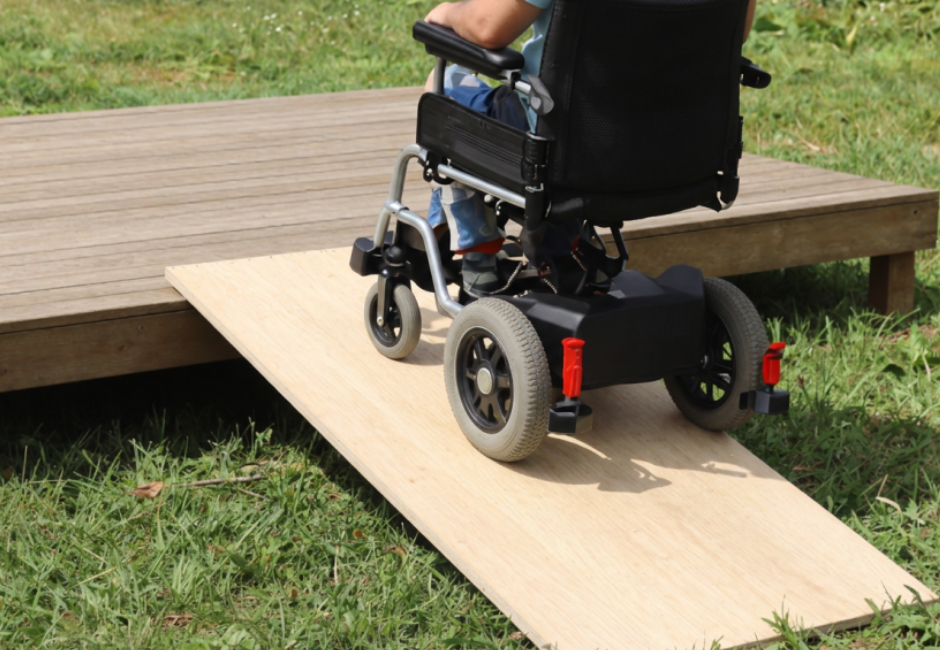
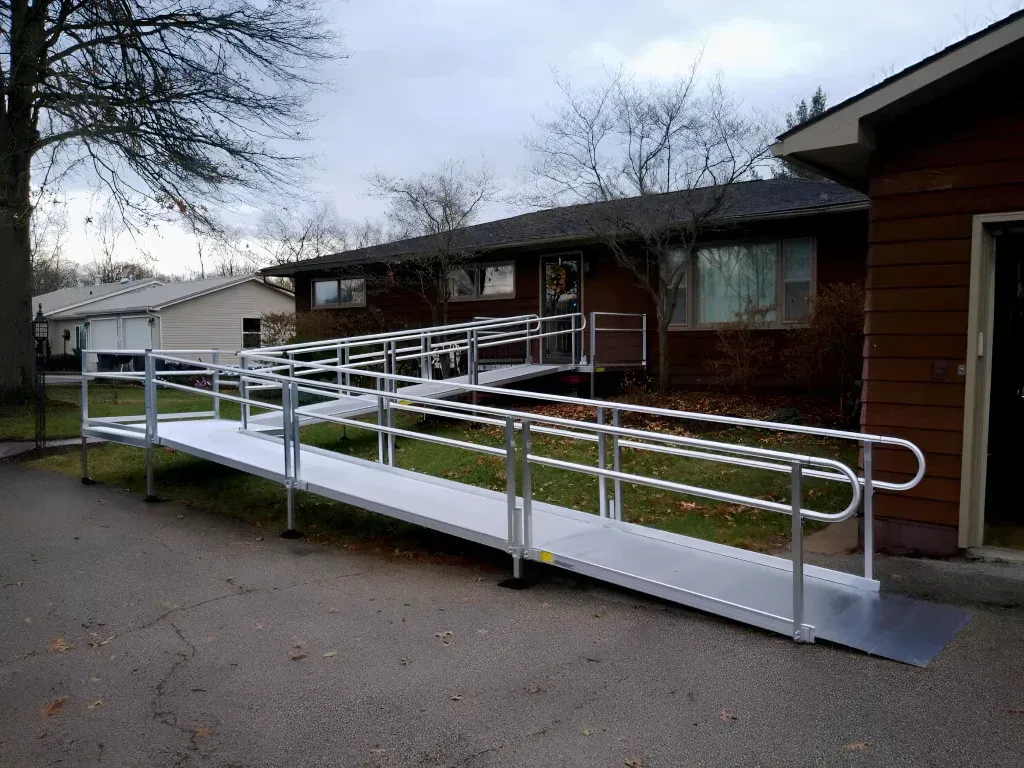
Potentially. VA identifies permanent ramp construction that improves entrance to the primary residence as a qualifying HISA purpose when the project is medically justified and approved. Portable ramps are specifically excluded.
Who can apply for Indiana CHOICE?
CHOICE applicants generally must be at least age 60 or have a disability and must be found at risk of losing independence. The program is administered through Indiana's Area Agencies on Aging, including CICOA in Central Indiana.
Can Indiana PathWays for Aging help with home modifications?
Yes, for PathWays members who meet the applicable functional eligibility requirements. Indiana lists home modifications among available long-term services and supports, but the modification must meet Medicaid's medical-necessity, authorization, and cost-effectiveness requirements.
Can I combine Medicaid money with my own money to upgrade the modification?
Not necessarily. Indiana clarified in 2026 that PathWays and certain other waiver-funded home modifications are limited to the basic, medically necessary, cost-effective modification. Private funds cannot simply be added to the waiver-funded bid to upgrade materials or products beyond the approved basic need.
Can I use more than one assistance program for the same project?
Sometimes different programs can contribute to different eligible needs, but you should never assume two programs can pay for the same expense. Some programs are payers of last resort, prohibit duplicate payment, or require approval before work begins. Tell each program about any other assistance you are pursuing and confirm the funding plan first.
Can someone with less-than-perfect credit qualify for Altamira financing?
Potentially. Altamira's financing partner, Lend Home Improvement, uses a multi-lender platform rather than relying on one lender. LendHI currently reports an overall platform approval rate above 80%, but individual approval and loan terms depend on the applicant and lender. No specific credit score guarantees approval.
Need an Accessibility Project Estimate in Indianapolis?
Altamira's Indianapolis team can evaluate your accessibility needs, recommend an appropriate solution, take measurements, and provide a clear project estimate. If you are pursuing VA, Medicaid, CICOA, or another assistance program, we can provide product and project documentation when appropriate.
Altamira does not determine eligibility or guarantee payment from VA, Medicaid, CHOICE, CICOA, the City of Indianapolis, or any other assistance program. Financing is available for qualified buyers on eligible purchases.
Explore Indianapolis accessibility solutions: Stairlifts · Wheelchair Ramps · Bathroom Modifications · Indianapolis Location