
Accessibility Funding Guide
8 Ways to Help Pay for a Stairlift, Wheelchair Ramp or Home Accessibility Project
Last reviewed and updated: August 2026
Paying for a stairlift, wheelchair ramp, accessible bathroom, or other home accessibility project can feel overwhelming — especially when insurance doesn't cover the work you need. Fortunately, there are several possible funding paths, including VA benefits, Medicaid programs, USDA assistance, local grants, tax provisions, disability savings accounts, and financing.
The important part is matching the right funding source to the right project. Not every program covers every product, and many require approval before equipment is ordered or construction begins.
Original Medicare can cover qualifying durable medical equipment such as wheelchairs, walkers, hospital beds, and certain patient lifts, but Medicare does not generally pay for structural home modifications themselves. That means a stairlift installation, permanent wheelchair ramp, widened doorway, or bathroom remodeling project should not be assumed to be Medicare-covered. Review Medicare's DME coverage.
- VA HISA, SAH and SHA benefits
- Medicaid Home and Community-Based Services
- USDA Section 504 Home Repair Loans and Grants
- HUD-funded and local older-adult home modification programs
- Federal medical-expense tax deduction
- ABLE accounts
- State, county and local housing or aging programs
- Altamira financing through Lend Home Improvement
Accessibility Funding Options
Eligibility, available funding, approval requirements, and covered expenses vary by program. Always confirm approval before assuming a particular project will be reimbursed.
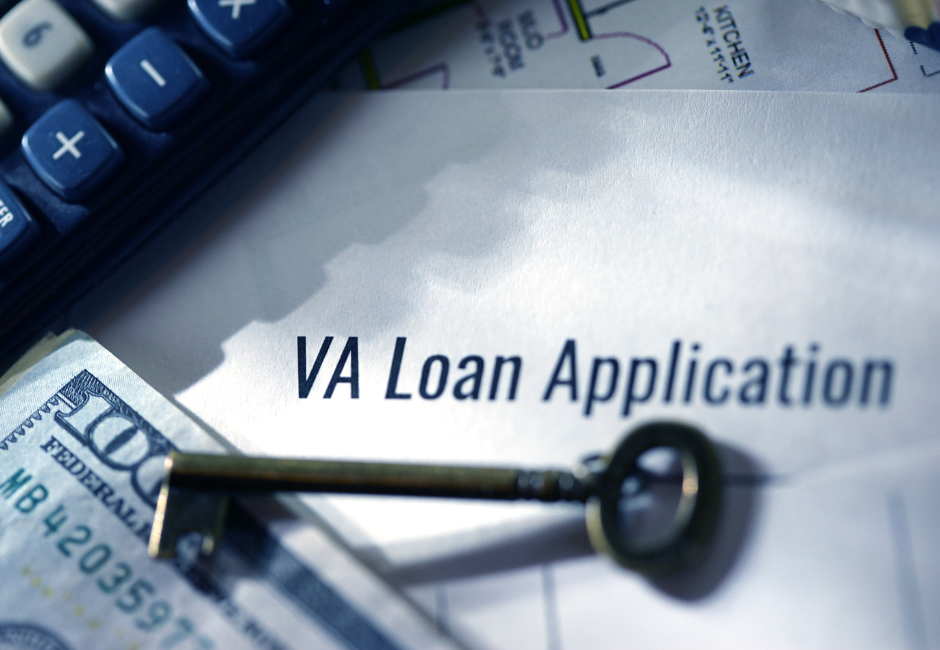
1. VA HISA, SAH & SHA Benefits
VeteransVeterans and service members may have access to several different VA accessibility benefits, but they should not be treated as one interchangeable grant.
HISA is a lifetime VA health care benefit for medically necessary home improvements and structural alterations. Qualifying permanent ramping and certain accessible bathroom alterations may be eligible. HISA provides up to $6,800 or $2,000 depending on the applicable eligibility category.
HISA does not cover stairlifts, vertical platform lifts, or portable ramps. VA specifically excludes stair glides, porch lifts, and portable ramps from HISA. A stairlift or other accessibility device may potentially fall under another VA program, but it should not be described as HISA-funded equipment.
Veterans and service members with certain qualifying service-connected disabilities may instead qualify for the larger Specially Adapted Housing (SAH) or Special Home Adaptation (SHA) grants. For FY 2026, VA lists maximums of $126,526 for SAH and $25,350 for SHA.
VA approval matters: Do not purchase equipment or begin work based solely on the assumption that VA will reimburse it. Confirm the applicable benefit and authorization process first.
2. Medicaid Home and Community-Based Services
State SpecificMedicaid Home and Community-Based Services — often called HCBS — are designed to help eligible people receive long-term services and supports in their homes and communities rather than institutional settings.
Depending on the state and specific Medicaid program, HCBS benefits can include environmental modifications. Those services may potentially include accessibility changes to a home, but the exact definition, dollar limits, eligibility rules, approved contractors, prior-authorization requirements, and covered products are established by each state.
This means there is no nationwide rule saying every Medicaid waiver pays for stairlifts or wheelchair ramps. The best first step is to identify the HCBS program operating in your state and ask specifically about environmental or home accessibility modifications.
Apply before ordering equipment. Many Medicaid programs require an assessment or authorization before the modification is completed. Requirements differ substantially by state.
3. USDA Section 504 Home Repair Loans & Grants
Rural HomeownersUSDA Rural Development's Section 504 Home Repair program can provide assistance to qualifying very-low-income homeowners in eligible rural areas.
- Loans up to $40,000 may be used to repair, improve, or modernize a home or remove health and safety hazards.
- Section 504 loans currently have a 20-year term and a fixed 1% interest rate.
- Grants up to $10,000 are available to qualifying homeowners age 62 or older and must be used to remove health and safety hazards.
- A standard loan and grant can potentially be combined for up to $50,000 in assistance.
Applicants must own and occupy the home, fall within USDA's applicable very-low-income limit, and be unable to obtain affordable credit elsewhere. Accessibility improvements may fit within an approved repair or health-and-safety project, but USDA makes the eligibility and project determination.
4. HUD-Funded Older Adult Home Modification Programs
Older AdultsHUD's Older Adults Home Modification Program helps fund local organizations that provide safety and functional home modifications for qualifying low-income older adults.
This is important because it is not a universal direct federal grant where every homeowner can apply to HUD for a fixed dollar amount. HUD awards funding to state and local governments, nonprofits, housing authorities, and other approved organizations that then operate programs in the communities they serve.
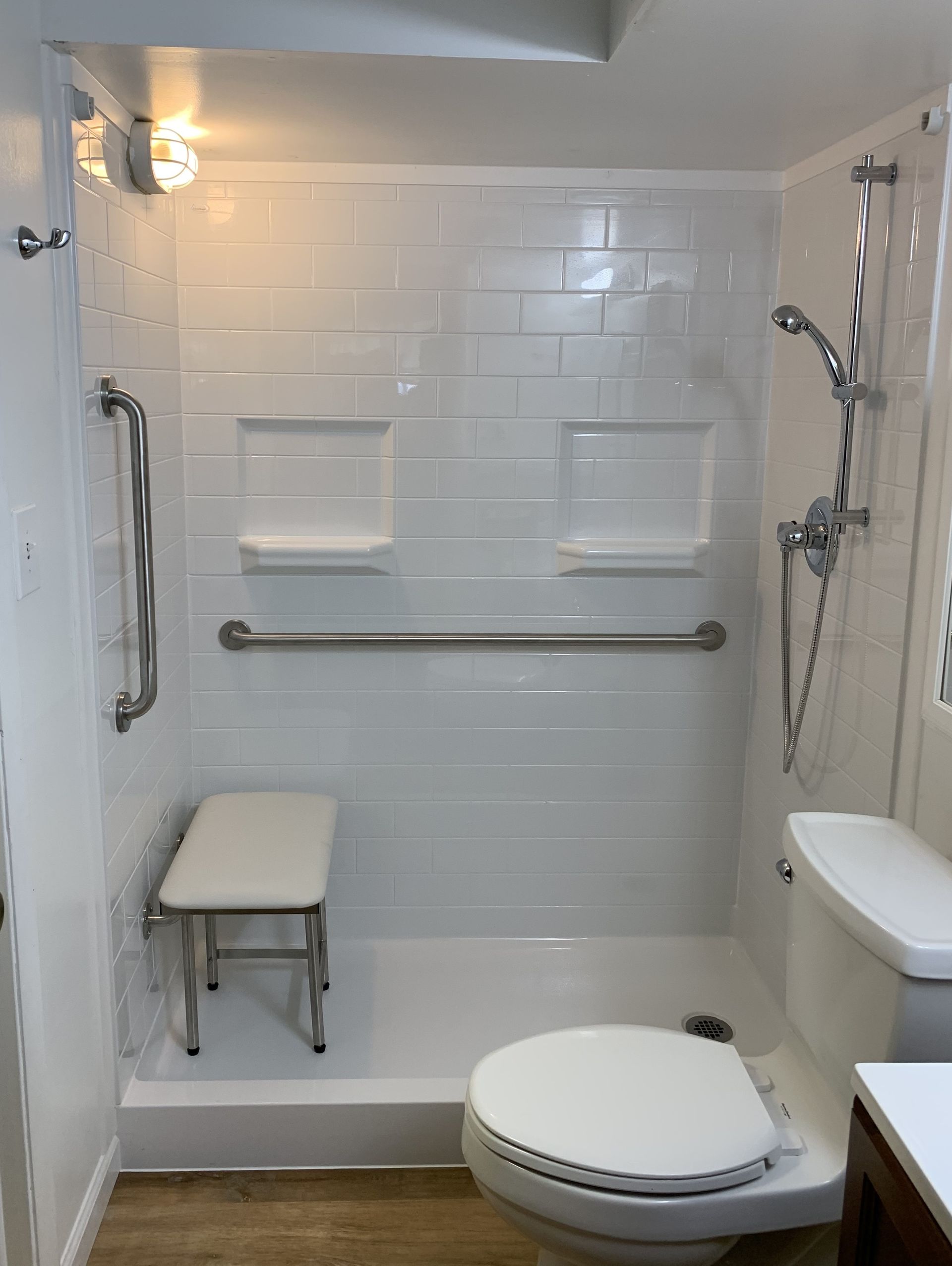
Services funded through these programs can include lower-cost accessibility and fall-prevention modifications such as grab bars, railings, lever-style hardware, non-slip improvements, and other interventions based on the local program.
Availability depends on whether a funded organization serves your area. Your local Area Agency on Aging can also be a useful place to ask about home-modification assistance available locally.
5. Federal Medical-Expense Tax Deduction
Tax PlanningCertain medically necessary accessibility improvements may qualify as medical expenses for federal income-tax purposes when the improvement's primary purpose is medical care for you, your spouse, or a dependent.
IRS Publication 502 specifically gives examples including entrance and exit ramps, widened doorways and hallways, bathroom railings and support bars, modified stairways, certain lifts, altered kitchen equipment, modified electrical fixtures, and other disability-related accessibility changes.
The tax treatment depends on the project. If a permanent improvement increases the value of the home, only part of the cost may count as a medical expense. Certain improvements made specifically to accommodate a disability generally are treated differently because they may not increase the home's value.
To claim the medical-expense deduction, you generally must itemize deductions on Schedule A, and only qualifying unreimbursed medical expenses above 7.5% of adjusted gross income are deductible.
This is not tax advice. A stairlift or other accessibility project may potentially meet the IRS medical-purpose rules depending on the circumstances. Ask a qualified tax professional how the rules apply to your project.
6. ABLE Accounts
Disability SavingsABLE accounts are tax-advantaged savings accounts designed to help eligible people with disabilities pay for qualified disability expenses while preserving important public-benefit protections.
A major eligibility expansion took effect in 2026: the disability generally must have begun before age 46, rather than the previous age-26 threshold.
For 2026, the standard aggregate annual contribution limit is $20,000. Certain employed ABLE beneficiaries may be able to contribute additional amounts under separate rules.
ABLE distributions can be used for qualified disability expenses, which can include eligible housing and expenses related to maintaining or improving the beneficiary's health, independence, or quality of life. Whether a specific accessibility modification qualifies should be confirmed under the applicable ABLE rules.
7. State, County & Local Accessibility Programs
Local AvailabilityLocal housing-rehabilitation and accessibility programs can be easy to miss because they may not have a nationally recognized program name.
HUD's Community Development Block Grant program sends funding to states, cities, and counties, and residential rehabilitation is one of the activities CDBG funds can support. HUD does not provide CDBG money directly to individual homeowners. Local governments decide whether and how CDBG funds are used for residential assistance in their communities.
Other possible sources include county home-repair programs, disability organizations, nonprofits, housing authorities, and Area Agencies on Aging. Program income limits, geographic boundaries, funding availability, and allowable modifications vary widely.
8. Altamira Financing Through Lend Home Improvement
Qualified BuyersWhen a grant or public-benefit program is unavailable — or the project needs to move on a different timeline — financing can provide another way to manage the upfront cost.
Altamira offers financing for qualified buyers on eligible purchases through Lend Home Improvement (LendHI). LendHI is a home-improvement financing platform that can route one application through multiple lending options rather than relying on a single lender.
LendHI states that financing is typically unsecured, meaning the homeowner generally does not need to pledge the home as collateral. The platform also uses a digital, paperless application process.
Approval, APR, loan amount, monthly payment, lender, and repayment term depend on the applicant's credit profile and the financing products available at the time of application.
Financing is subject to credit approval. Altamira and LendHI do not guarantee approval, a particular interest rate, payment amount, or loan term. Financing is available for qualified buyers on eligible purchases.
Quick Comparison: Which Funding Path Is Worth Checking?
Use this as a starting point only. Actual eligibility, approval timing, and available funding depend on the program and applicant.
| Option | Potentially Useful For | Funding / Benefit | Key Limitation |
|---|---|---|---|
| VA HISA | Eligible Veterans needing qualifying structural home alterations | Up to $6,800 or $2,000 lifetime | Does not cover stairlifts, VPLs, or portable ramps |
| VA SAH / SHA | Veterans with specific qualifying service-connected disabilities | Up to $126,526 SAH / $25,350 SHA for FY 2026 | Strict VA disability and housing eligibility requirements |
| Medicaid HCBS | People who qualify for an applicable state HCBS program | Varies by state and program | Services, caps, and authorization rules are state specific |
| USDA Section 504 | Very-low-income homeowners in eligible rural areas | Up to $40,000 loan / $10,000 standard grant | Income, ownership, rural-area, credit, and age rules apply |
| HUD / Local Senior Programs | Qualifying low-income older adults in participating areas | Varies by local grantee | Not a universal direct-to-household HUD grant |
| Medical Tax Deduction | Taxpayers with qualifying unreimbursed medical expenses | Potential tax deduction | Itemization and 7.5% AGI threshold apply |
| ABLE Account | Eligible individuals with qualifying disability-related expenses | Tax-advantaged personal savings | Expense must meet qualified-disability-expense rules |
| Local Grants / CDBG Programs | Households meeting local program requirements | Varies widely | Local government or organization determines availability |
| Altamira / LendHI Financing | Qualified buyers needing another payment option | Loan terms vary by lender and applicant | Credit approval and lender terms apply |
Can More Than One Funding Source Be Used?
Sometimes, but do not assume programs can automatically be stacked or that a grant can reimburse a project after it has already been financed or completed. Public programs may prohibit duplicate payment for the same expense and may require authorization before work begins. If you are considering multiple funding sources, tell each program what other assistance you are pursuing and confirm the rules before signing a contract or beginning work.
Start with the Actual Project Cost
Funding decisions are easier when you know what the accessibility solution is likely to cost and which product actually fits the home.
Planning a Stairlift?
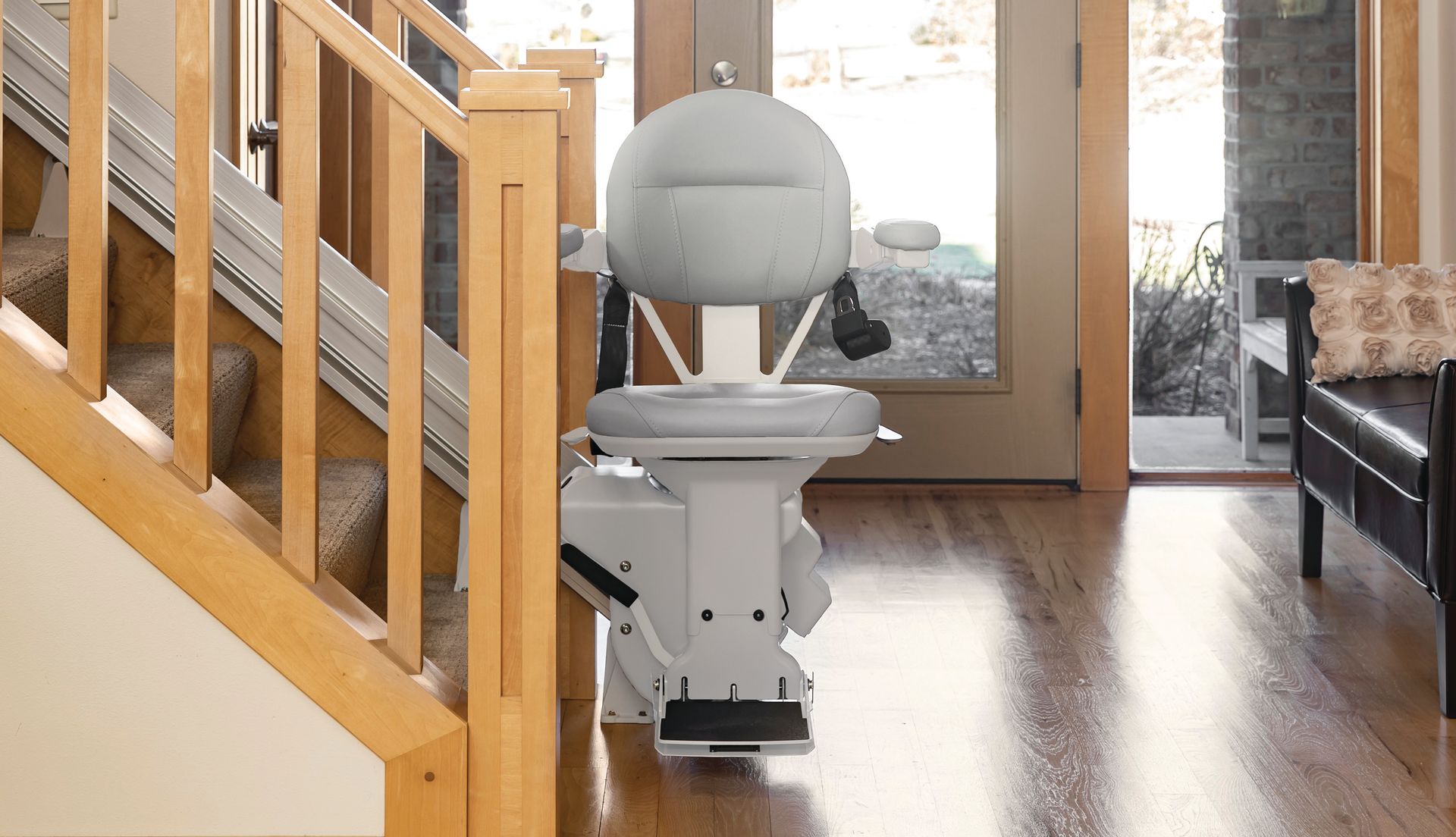
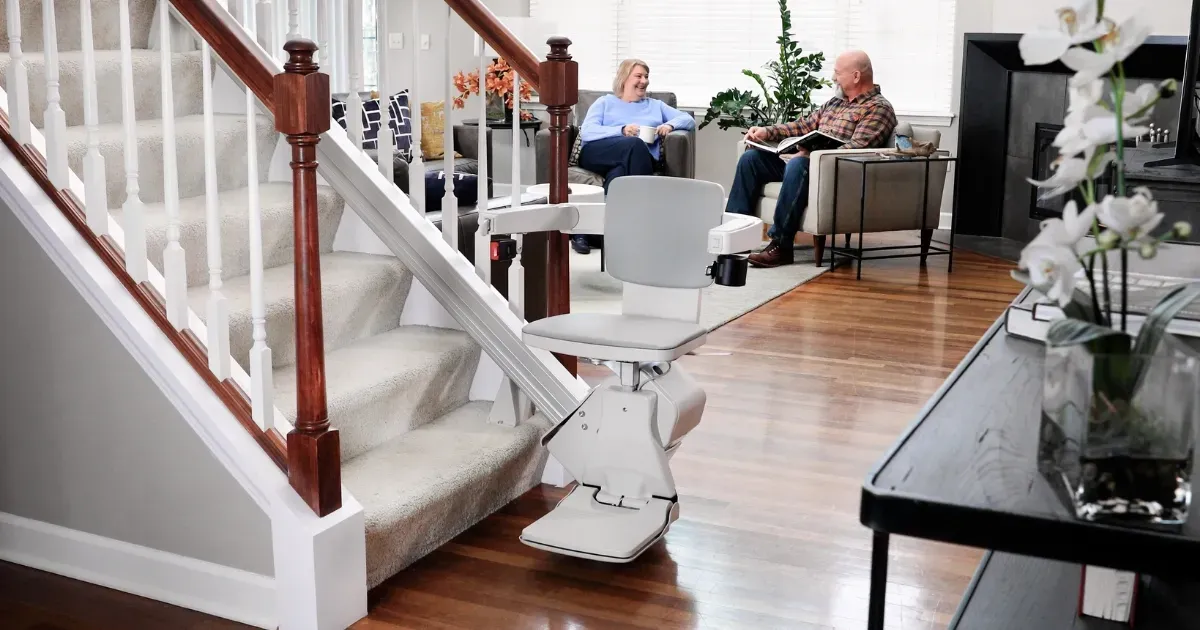
Budget PlanningReview Altamira's current straight and curved stairlift options to understand the equipment differences before deciding how much funding or financing you may need.
Planning a Wheelchair Ramp?
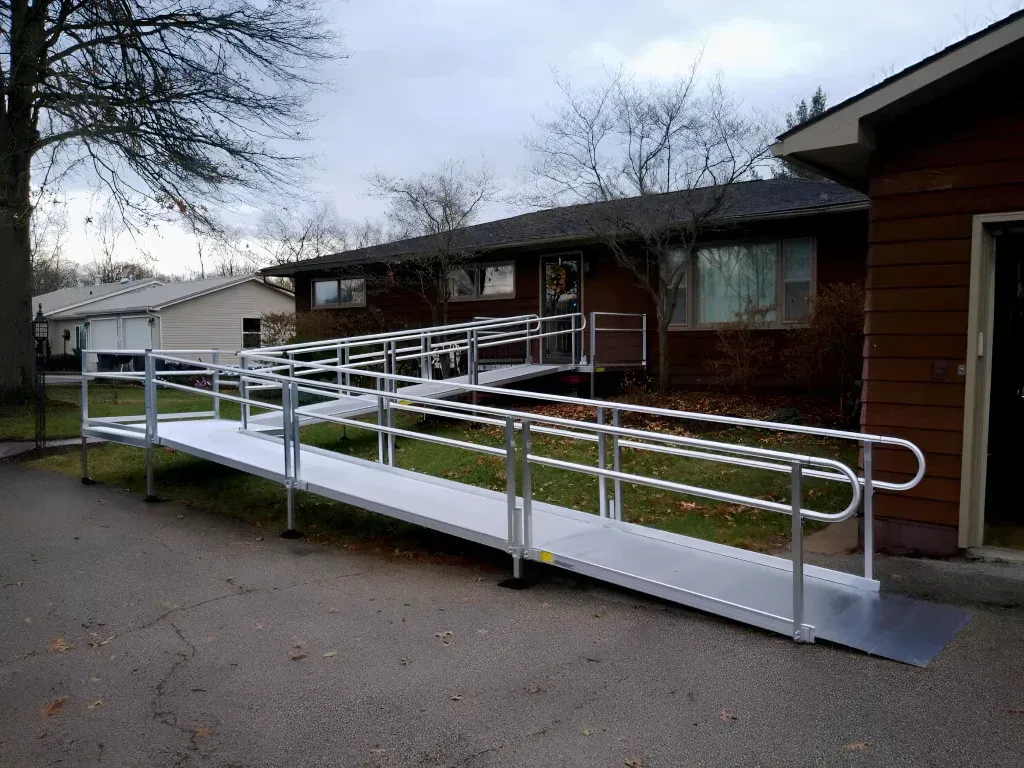
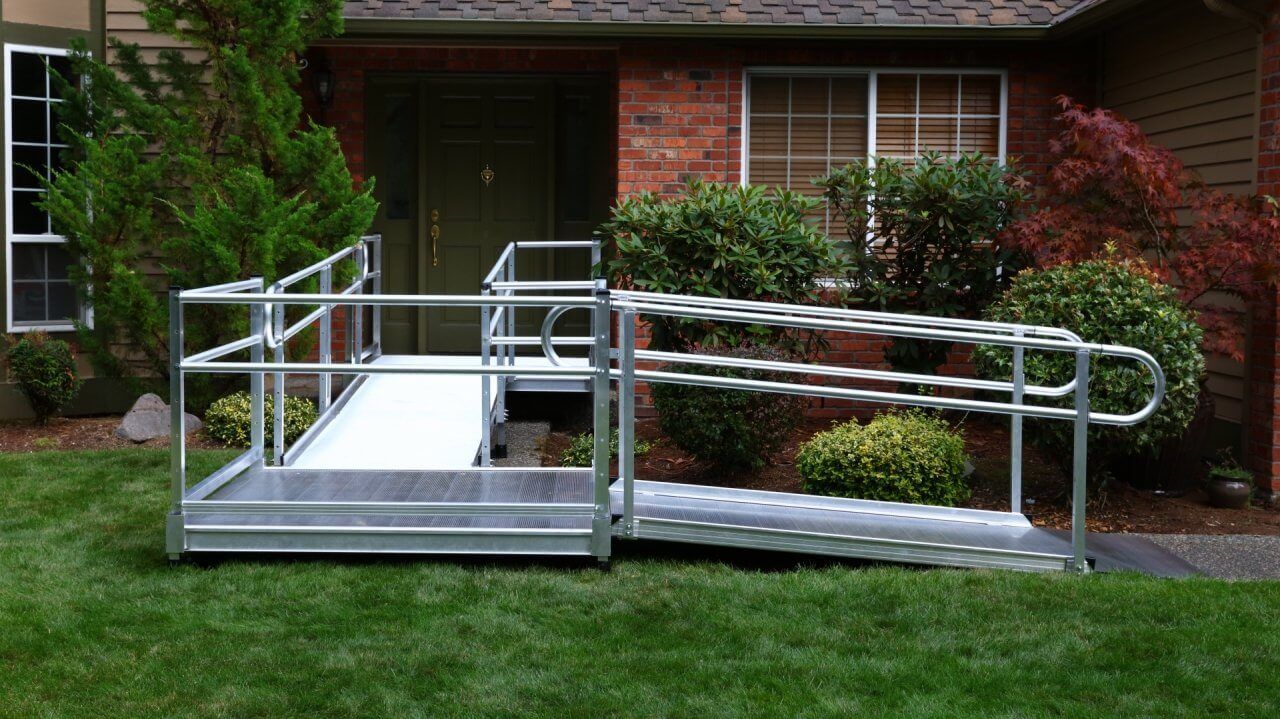
Measure FirstRamp length is driven largely by the vertical rise at the entrance. Our calculator can give you an initial estimate before an onsite assessment.
Funding Frequently Asked Questions
Does Medicare pay for a stairlift or wheelchair ramp?
Original Medicare generally does not pay for structural home modifications. Medicare can cover certain medically necessary durable medical equipment when its coverage rules are met, but a stairlift installation, permanent ramp, widened doorway, or remodeling project should not be assumed to be Medicare-covered.
Does the VA HISA benefit pay for stairlifts?
No. VA specifically excludes stair glides from HISA. HISA can potentially fund qualifying permanent ramping and other medically necessary structural alterations, but a stairlift would need to be evaluated under another appropriate VA pathway.
What's the fastest way to get help paying for a stairlift or ramp?
Financing can potentially provide a much faster credit decision than many public-benefit programs, but approval is not guaranteed. If you are also pursuing VA, Medicaid, USDA, or another grant or benefit, confirm whether that program requires approval before the project begins. Starting work too soon can affect eligibility for some forms of assistance.
Can I combine multiple grants or funding sources?
Sometimes, but every program has its own coordination and reimbursement rules. Do not assume two programs can both pay for the same expense or that a grant can later reimburse an already completed project. Confirm the funding plan with each program before work begins.
Do I need to live in a rural area for USDA Section 504?
Yes. The property must be in an eligible rural area and the applicant must meet USDA's other requirements, including homeownership, occupancy, income, and credit-related criteria. USDA provides an online eligibility tool to check a specific address.
Can a stairlift or ramp be a deductible medical expense?
Potentially. IRS rules allow certain home improvements when their primary purpose is medical care, and Publication 502 specifically lists accessibility changes such as ramps, modified stairways, certain lifts, widened doors, and bathroom modifications. The amount actually deductible depends on the facts, whether the project increases home value, whether you itemize, and your total qualifying medical expenses. Consult a tax professional.
Do all Medicaid programs cover home accessibility modifications?
No. Medicaid HCBS programs are designed and administered at the state level. Environmental modifications may be available through certain programs, but eligibility, covered equipment, spending limits, and authorization requirements vary by state.
Can someone with less-than-perfect credit qualify for Altamira financing?
Potentially. Altamira's financing partner, Lend Home Improvement, uses a multi-lender platform rather than relying on only one lending source. LendHI reports an overall approval rate above 80% across its platform. Individual approval, APR, loan amount, and repayment terms still depend on the applicant and lender, so no specific credit score guarantees approval.
Not Sure What Your Accessibility Project Will Cost?
Altamira can help identify the right accessibility solution, measure the site, and provide a clear project estimate. Once you know the cost, you can determine which benefit, grant, savings option, or financing path is worth pursuing.
Altamira does not determine eligibility for government benefits or grants. Financing is available for qualified buyers on eligible purchases and is subject to lender approval and terms.