

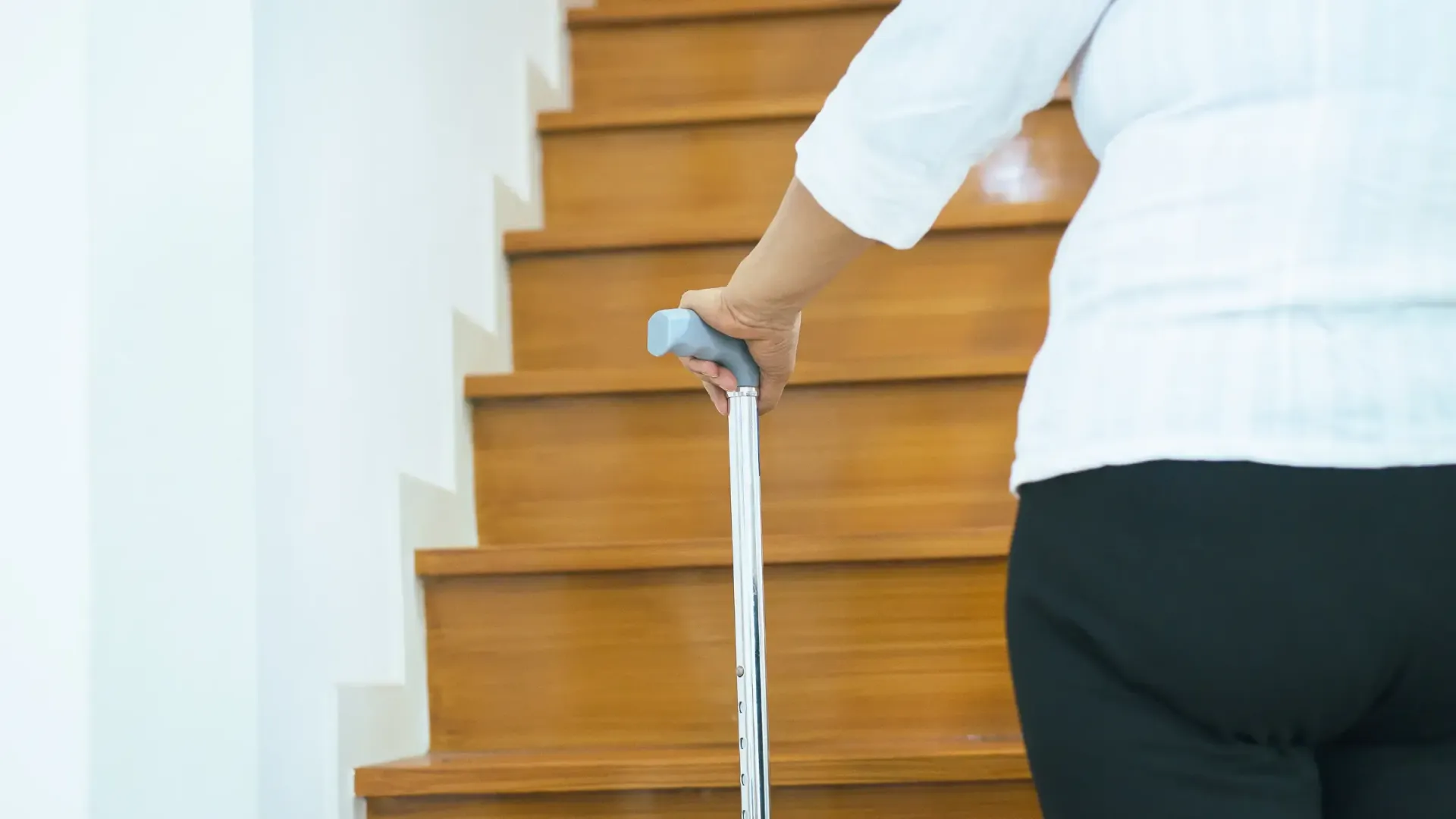
7 Signs It Might Be Time for a Stairlift or Wheelchair Ramp
Most families don't wake up one day and decide it's time for a stairlift or a ramp. It's usually a slow build — small adjustments that start to feel normal until you step back and notice how many of them you've made. Here are seven everyday signs worth paying attention to, and what typically helps with each one.
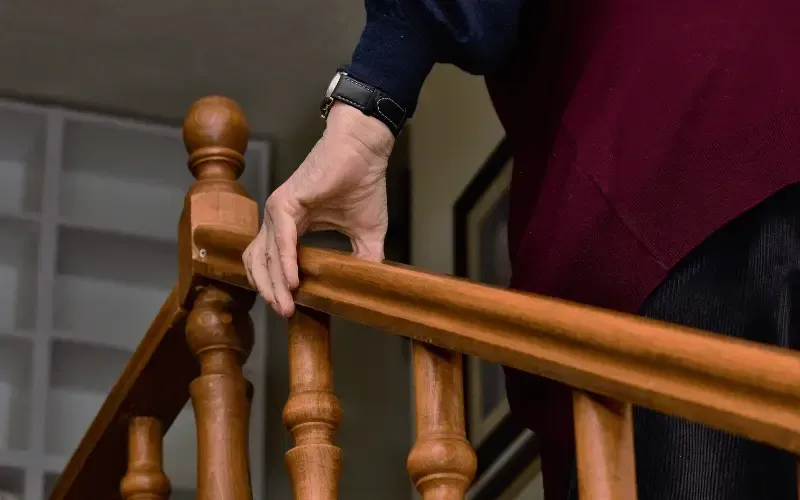
Holding the railing with both hands
If going up or down the stairs now means a two-handed grip on the railing — or one hand on the railing and one on the wall — that's often the first sign balance and confidence on stairs have changed.
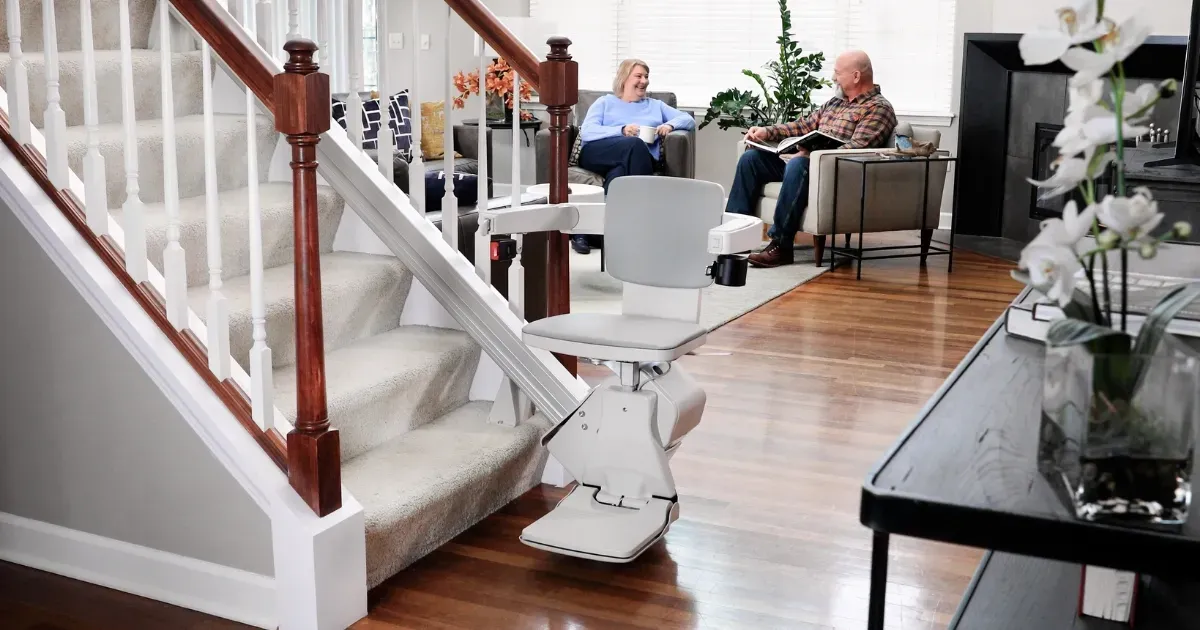
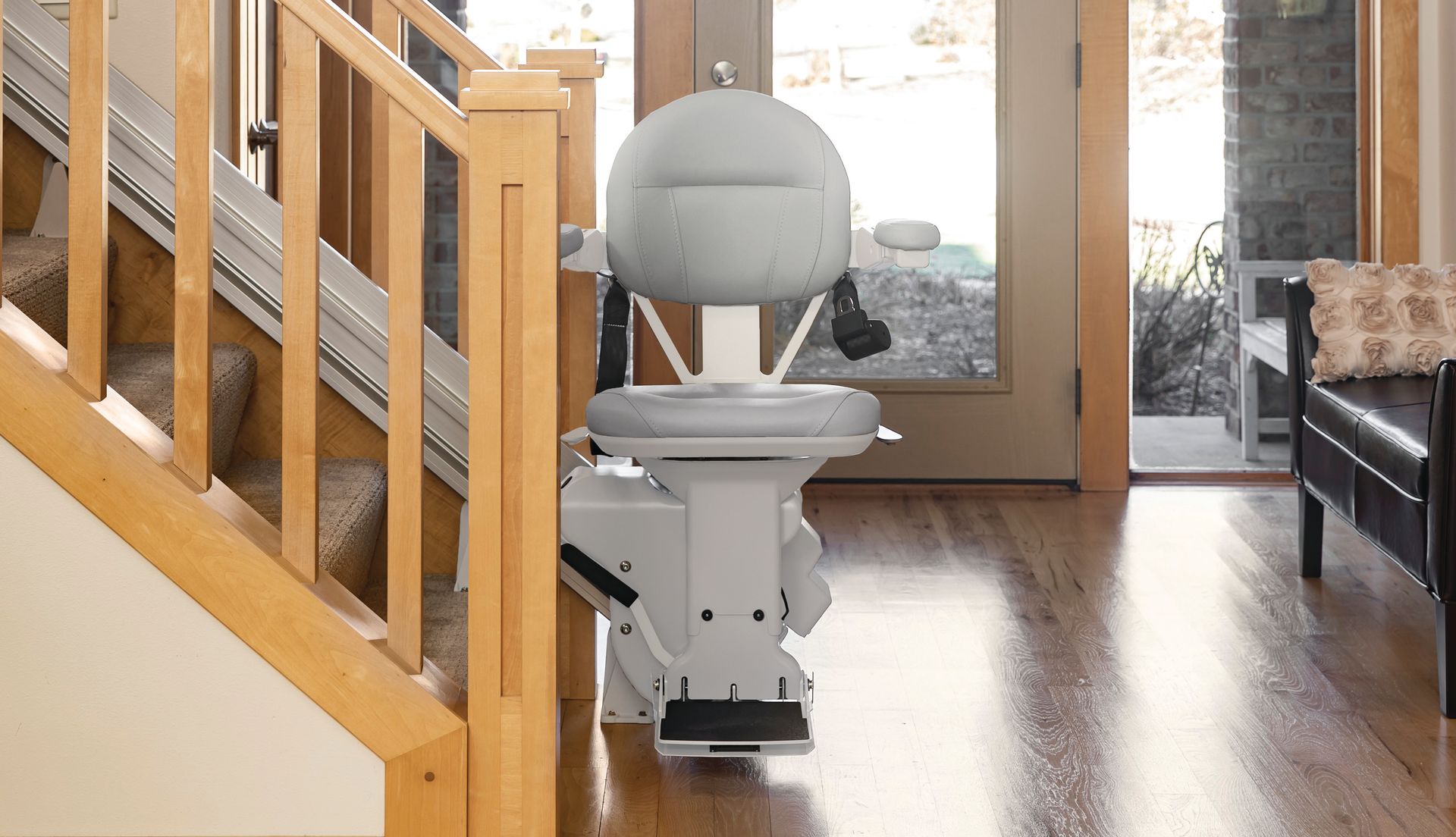
→ A stairlift removes the need to rely on the railing at all — you sit down, and it does the climbing for you.
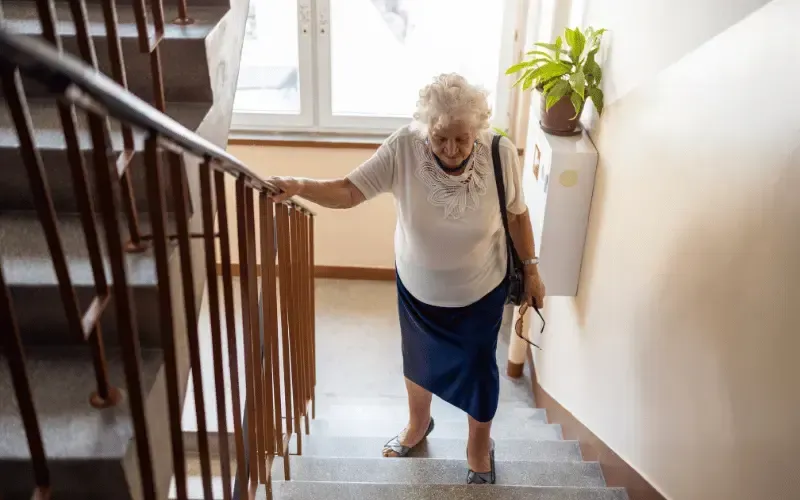
Taking stairs one step at a time
Placing both feet on each step before moving to the next — rather than alternating feet — is a common adjustment people make without really noticing they've started doing it.
→ A stairlift takes the stair-by-stair effort out of the equation entirely, in as little as a day for most straight staircases.
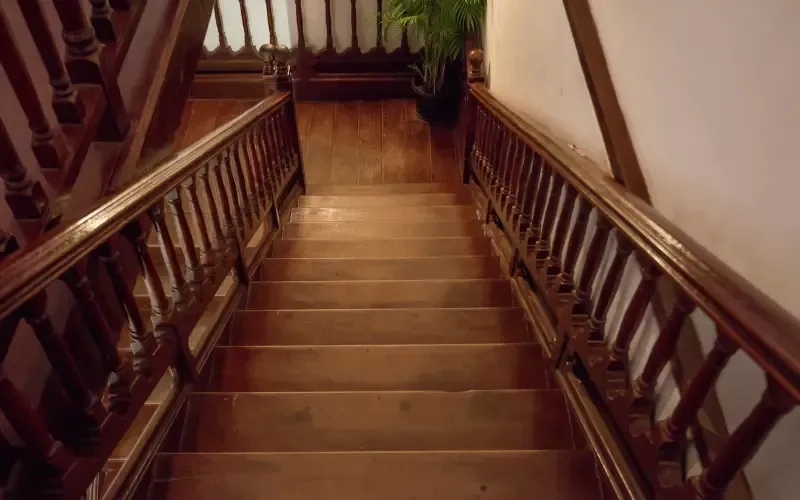
Avoiding the second floor
Sleeping in a downstairs room, skipping the upstairs bathroom, or saving trips upstairs for "when I really need something" are all signs the stairs have become something to plan around instead of just use.
→ A stairlift reopens the whole upstairs — your bedroom, bathroom, and belongings — without asking you to change how you live.
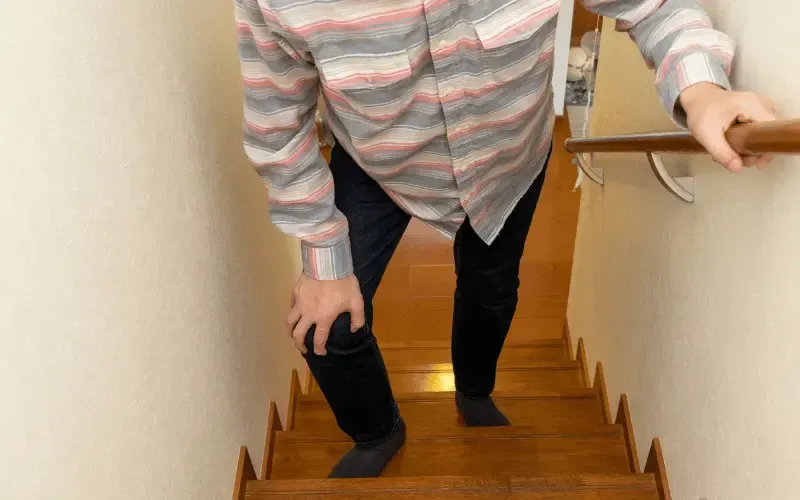
Feeling winded, dizzy, or unsteady partway up or down
Needing to pause and catch your breath — or feeling lightheaded midway — is worth paying attention to, especially if it's become routine rather than occasional.
→ A stairlift removes the physical exertion of climbing, so the stairs stop being something you have to brace for.
The front step, porch step, or garage threshold has gotten harder
A step that used to be nothing can turn into something you brace for — especially carrying groceries, using a cane or walker, or in bad weather. If getting in or out of the house has quietly become its own small project, that's worth noticing too.
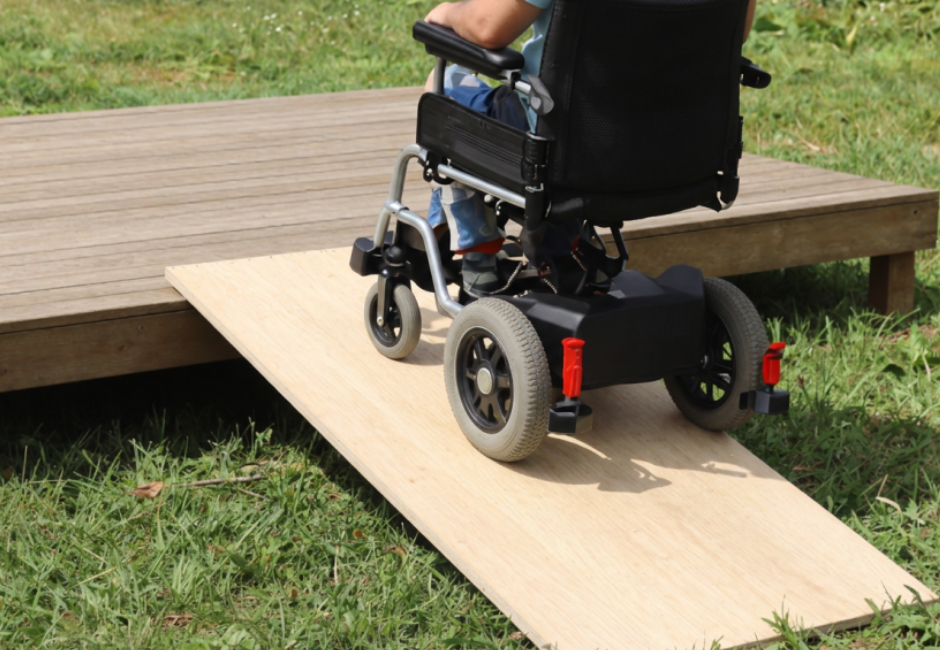
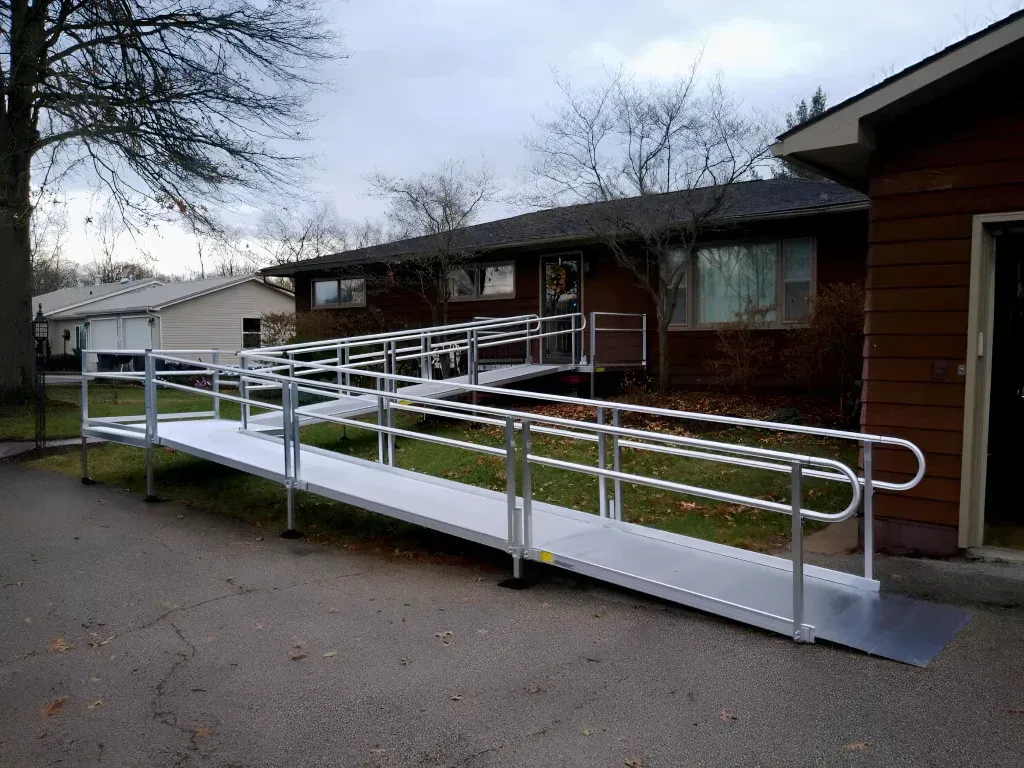
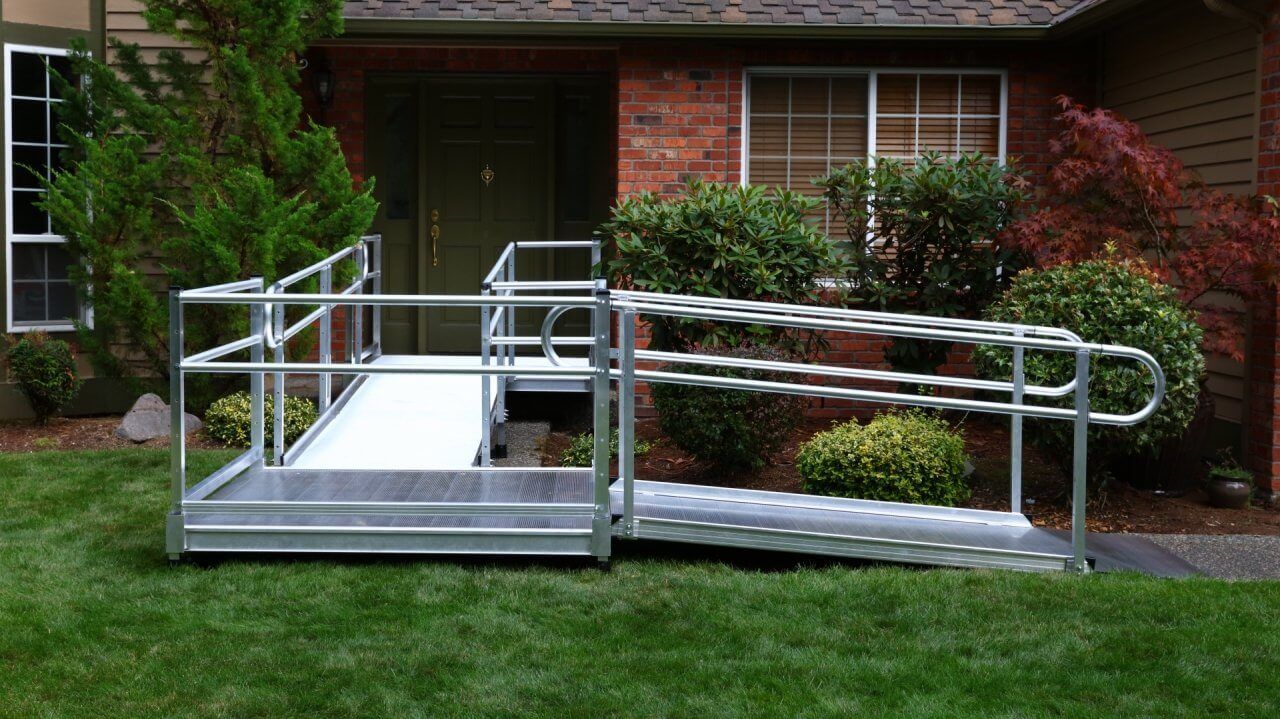
→ A wheelchair ramp — modular, portable, or threshold, depending on the entry — turns that single step into a gentle, level path in and out.
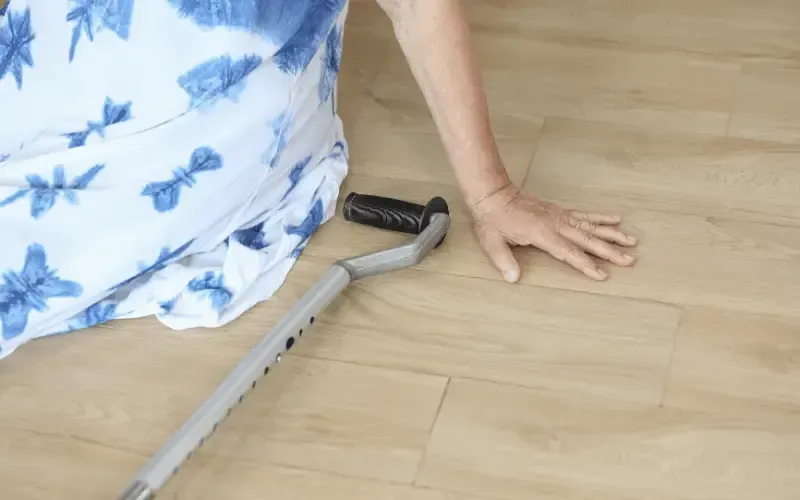
There's been a stumble or a close call
A near-fall on the stairs or at an entryway — even one that didn't result in an injury — is one of the clearest signals to take seriously rather than write off as a one-time thing.
→ Whether it happened on the stairs or at the door, a stairlift or ramp addresses the exact spot where it happened — not just the general area.

A family member now helps every time
If someone else has started routinely helping you in or out of the house, or up and down the stairs, that's often a sign the home has outpaced what feels safe to do alone.
→ A stairlift or ramp can mean that specific task no longer needs another person standing by — for you and for them.
Which Solution Addresses Which Signs
See Stairlift Options →
See Wheelchair Ramp Options →
None of this means you need to decide anything today
Noticing one or two of these signs doesn't mean a stairlift or ramp is the only answer — it just means it's worth a conversation. A free, no-obligation home assessment can look at your specific stairs, entryways, and daily routine, and help you understand what options actually make sense.
Talk to Altamira About Your Home
Serving Pittsburgh PA, Indianapolis IN, Lexington KY, Henderson KY, Edison NJ, and Dayton OH.
Schedule a Free Assessment