

Veteran Accessibility Benefits
A Practical Guide to VA Home & Vehicle Accessibility Benefits
Last reviewed and updated: August 2026
Veterans and service members may have access to several Department of Veterans Affairs benefits that can help with qualifying home adaptations, accessibility equipment, or vehicle modifications. The important part is understanding that HISA, SAH, SHA, and VA automobile benefits are different programs with different eligibility rules.
This guide explains the major programs, what each may help with, which forms are used, and where to apply. It also clears up an important point: a product being available through VA does not automatically mean it is covered by the HISA benefit.
SAH offers up to $126,526 for FY 2026 and SHA offers up to $25,350 for qualifying service-connected disabilities. HISA is a separate lifetime health care benefit of up to $6,800 or $2,000 for medically necessary structural alterations. The current VA automobile allowance is up to $27,074.99 toward a specially equipped vehicle, with separate benefits available for approved adaptive equipment.
Understanding Which VA Benefit May Apply
Different accessibility needs follow different VA pathways. These examples can help you identify which program to ask VA about, but VA makes the final eligibility and authorization decision.
Permanent Ramps & Structural Bathroom Changes
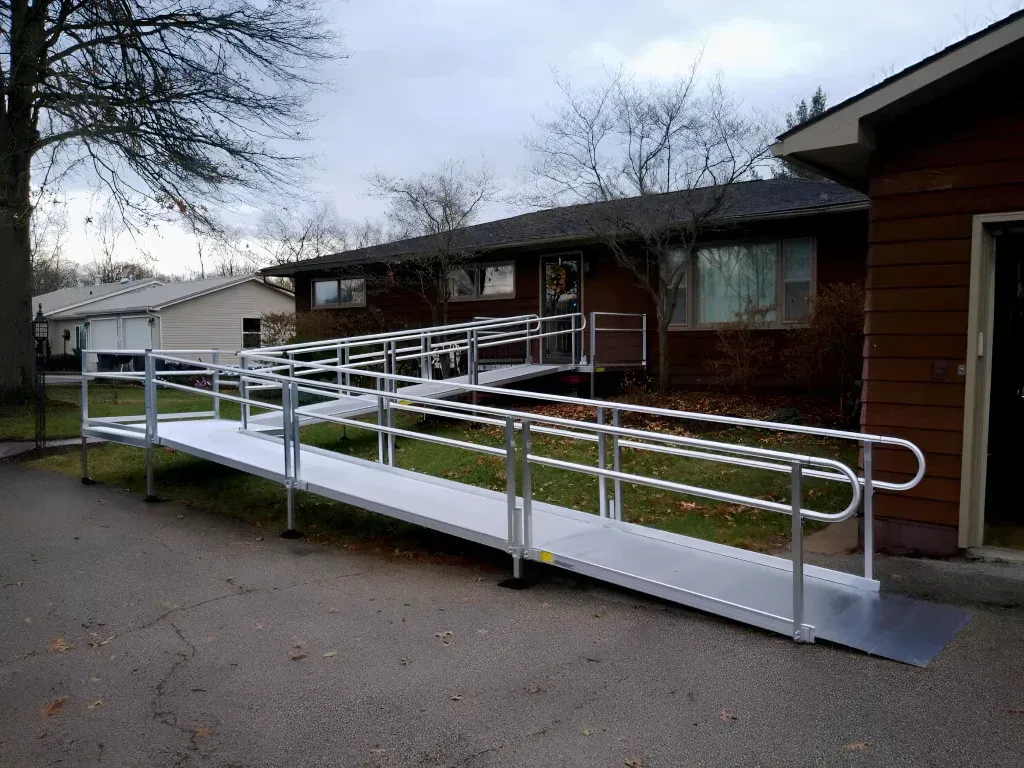
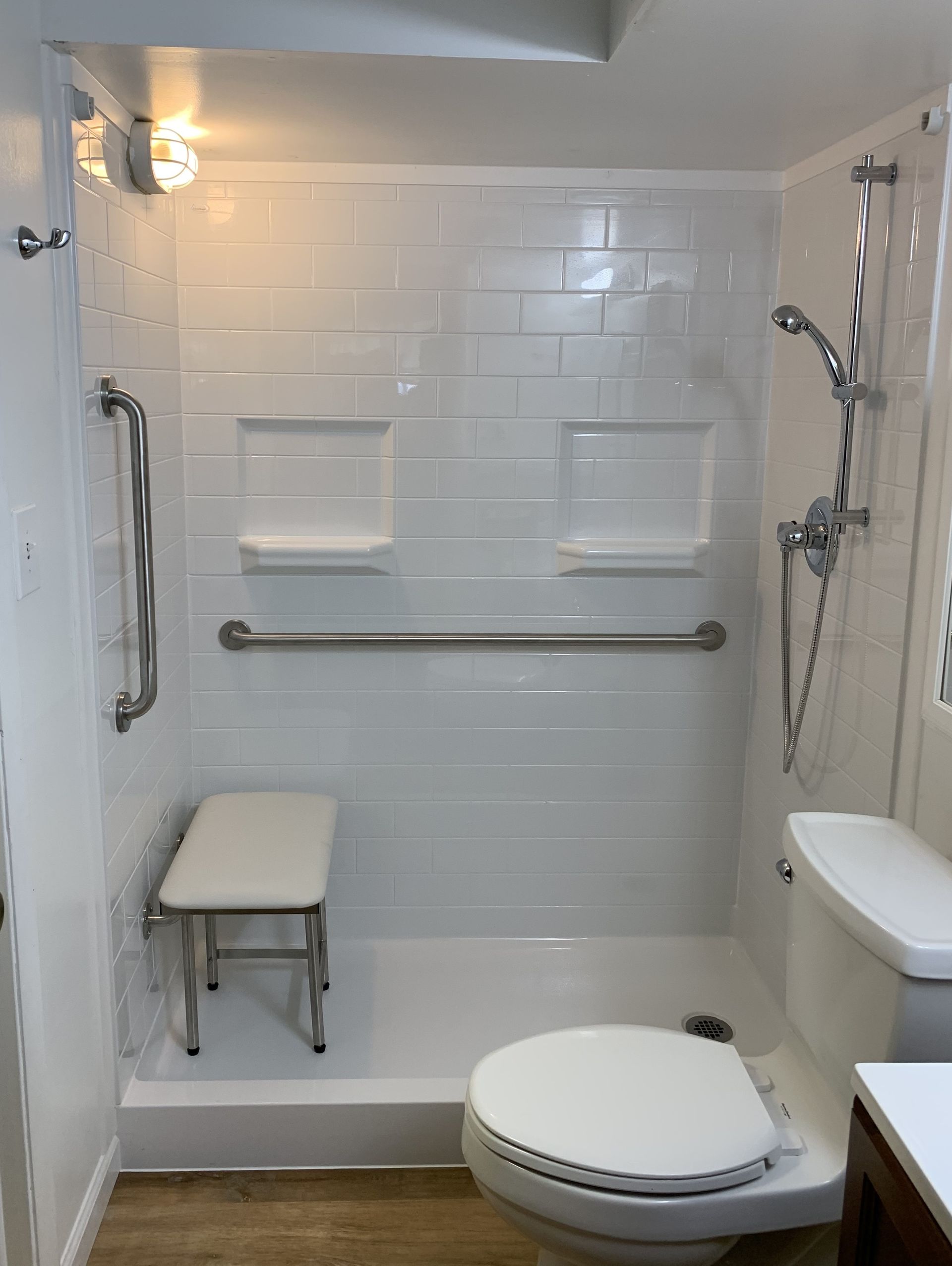
Medically necessary permanent ramping, accessible shower alterations, certain sink or counter modifications, and necessary plumbing or electrical work can potentially fall under HISA when VA approves the project.
SAH or SHA may also support qualifying adaptations for Veterans or service members who meet those programs' separate service-connected disability requirements.
Planning a ramp? Use Altamira's Wheelchair Ramp Calculator.
Stairlifts & Vertical Platform Lifts
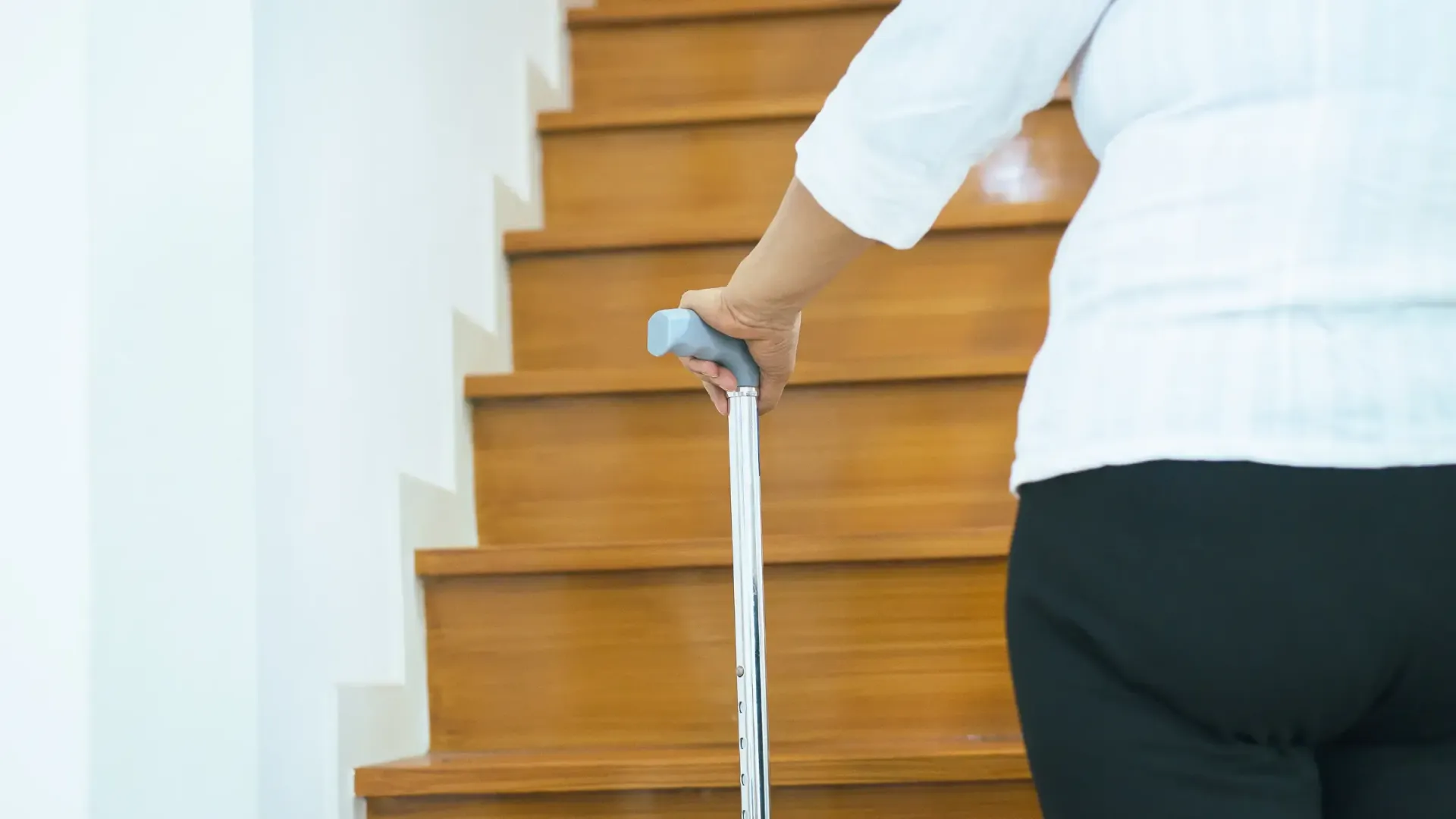
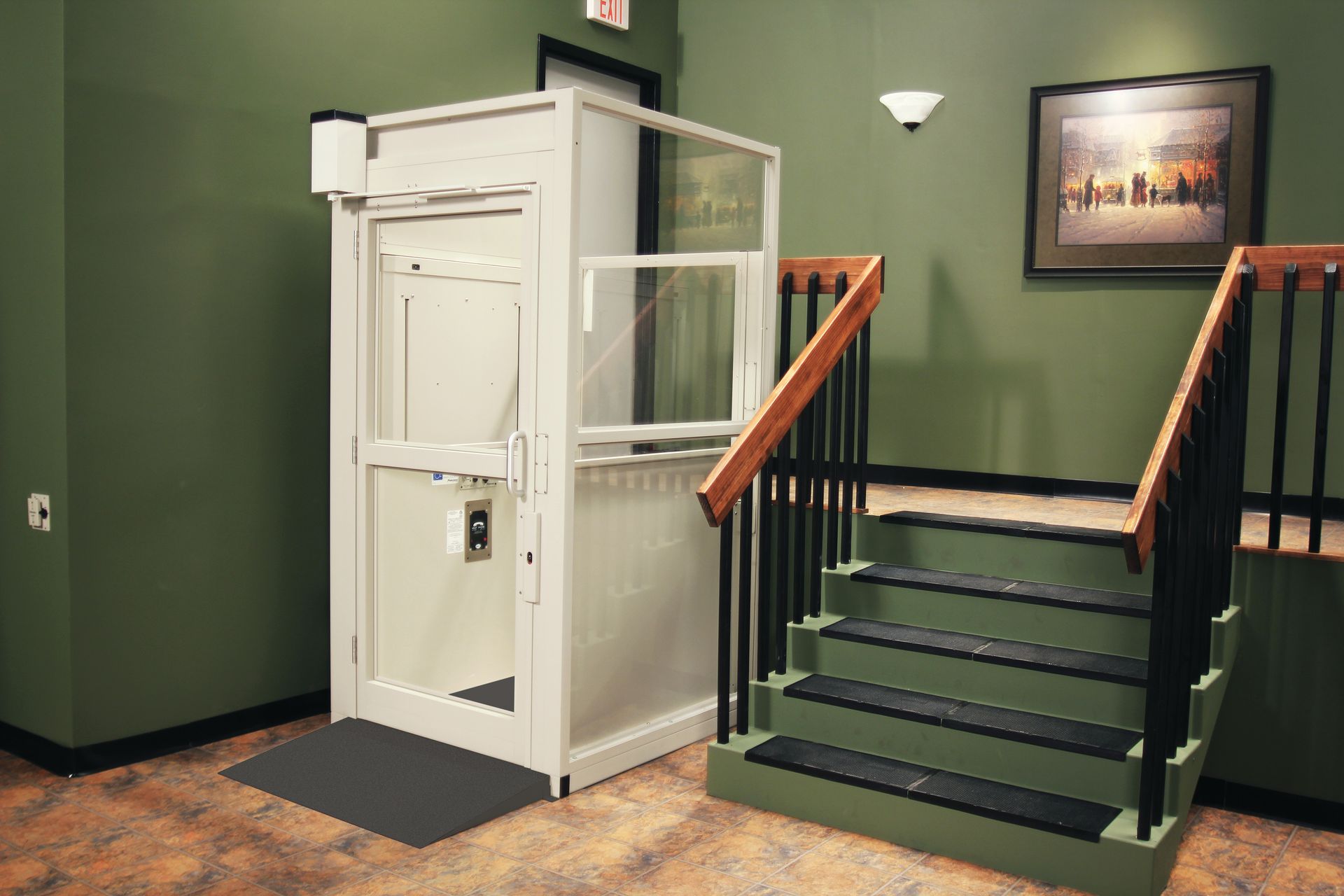
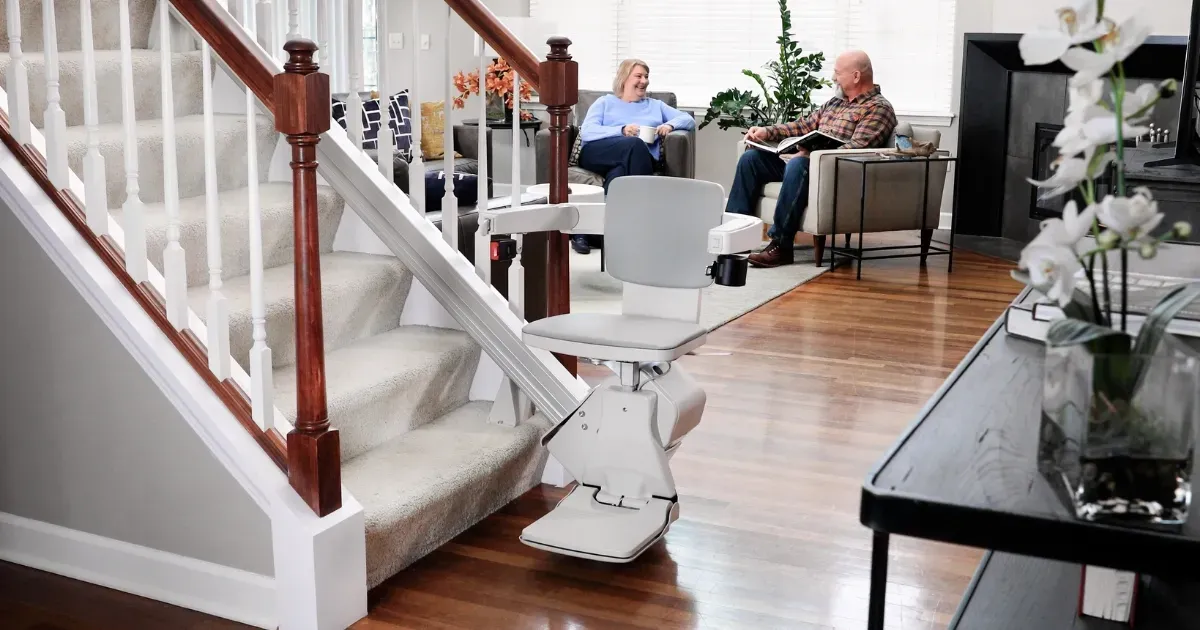
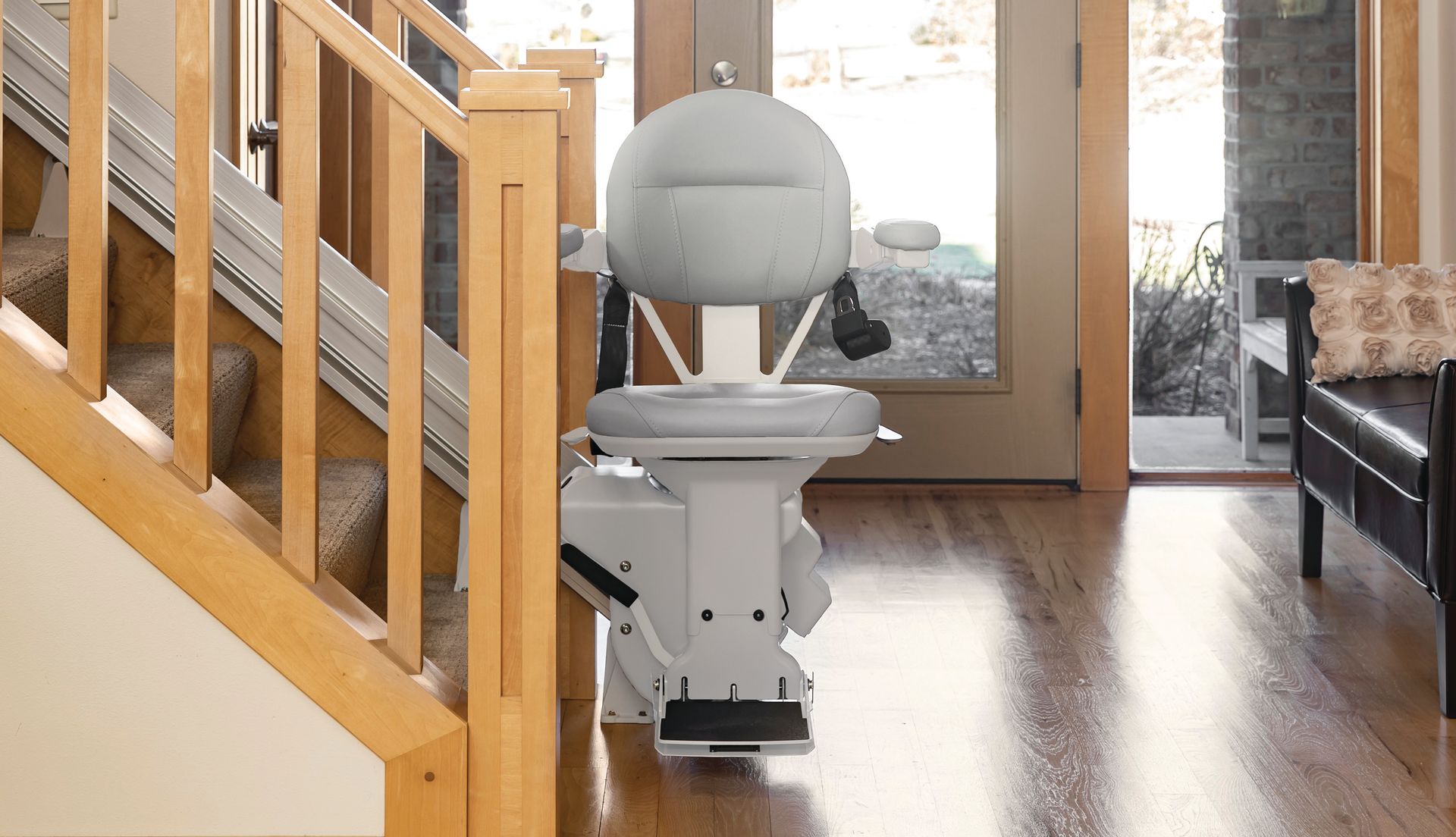
HISA specifically excludes removable equipment such as stair glides and porch lifts. That means a stairlift or vertical platform lift should not be described as HISA-covered equipment.
Other VA prosthetic, rehabilitative, or housing benefits may be relevant depending on medical need and eligibility. Veterans should ask their VA care team or Prosthetic and Sensory Aids Service which pathway applies before ordering equipment.
Vehicle Lifts, Transfer Equipment & Adaptations
VA automobile and adaptive-equipment benefits can help qualifying Veterans or service members with approved vehicle adaptations. VA's current adaptive-equipment program includes categories such as vehicle lifts and other equipment that assists with entering or exiting a vehicle.
VA approval is required before purchasing or installing the equipment.
Need help identifying lift types? Try Altamira's Auto Lift Finder.
Larger Accessibility Renovations
Veterans and service members with certain qualifying service-connected disabilities may be eligible for SAH or SHA housing grants to buy, build, or modify a permanent home.
These programs can support more extensive adaptations than HISA when the applicant meets VA's disability and housing requirements.
For a deeper comparison, read VA HISA vs. SAH vs. SHA.
Important: HISA Does Not Cover Every Accessibility Product
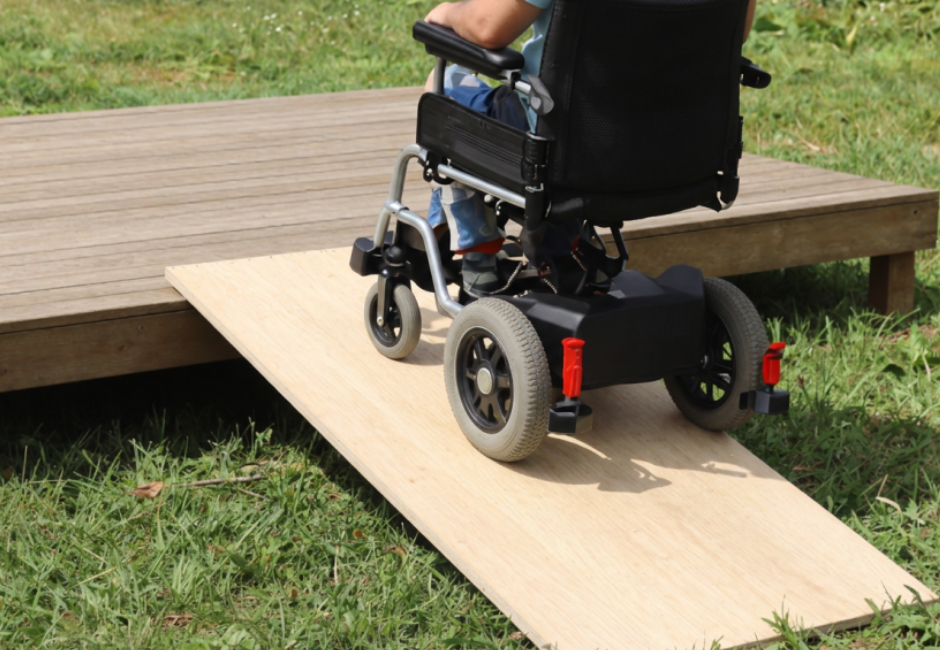
VA specifically lists removable equipment such as portable ramps, porch lifts, and stair glides among HISA exclusions. HISA is for qualifying medically necessary home improvements and structural alterations. An item being excluded from HISA does not necessarily mean VA can never provide assistance for it; another VA program may apply. Review the official VA HISA guidance.
Top VA Programs for Accessibility Support
These benefits serve different purposes. A Veteran or service member may be eligible for more than one, but VA determines eligibility and authorization separately for each program.
1. Specially Adapted Housing (SAH) Grant
Up to $126,526 — FY 2026Who May Qualify
Veterans and service members who own or will own their permanent home and have one of VA's qualifying service-connected disabilities. The disability requirements are specific, so eligibility should be confirmed directly with VA rather than assumed from a diagnosis alone.
What It Can Be Used For
SAH can help an eligible Veteran or service member buy, build, or change a permanent home to meet accessibility needs. Approved projects can involve adaptations such as ramps, widened passageways, accessible bathrooms, and other major modifications included in the VA-approved plan.
2. Special Home Adaptation (SHA) Grant
Up to $25,350 — FY 2026Who May Qualify
Veterans and service members with certain qualifying service-connected disabilities. VA currently lists categories including loss or loss of use of both hands, certain severe burns, and certain qualifying respiratory or breathing injuries.
Home Ownership
For SHA, the permanent home may be owned or planned to be owned by the Veteran or service member or, in qualifying circumstances, by a family member.
What It Can Be Used For
SHA can help an eligible applicant buy, build, or modify a permanent home to accommodate the qualifying disability. VA determines which adaptations and expenses are approved.
3. Home Improvements and Structural Alterations (HISA) Benefit
Up to $6,800 or $2,000 LifetimeWhat HISA Is
HISA is a VA health care benefit for medically necessary improvements and structural alterations to a Veteran's or service member's primary residence. It is a lifetime benefit rather than an annual grant.
Up to $6,800
This benefit level may apply when the modification addresses a service-connected disability, certain compensable disabilities treated by VA as service connected, or a non-service-connected disability when the beneficiary has a separate service-connected disability rated at least 50%. VA states that disability percentages cannot be combined to meet that 50% requirement.
Up to $2,000
This lifetime benefit level applies to an eligible disability that does not meet the criteria for the $6,800 level.
Examples of Qualifying Structural Alterations
VA lists purposes such as roll-in shower access, permanent ramping to improve entrance to the home, accessibility to kitchen or bathroom sinks and counters, and plumbing or electrical changes made necessary by home medical equipment.
HISA does not cover stairlifts, porch or vertical platform lifts, or portable ramps. VA specifically lists stair glides, porch lifts, and portable ramps as removable equipment excluded from HISA.
4. Automobile Allowance & Adaptive Equipment
Up to $27,074.99 Vehicle AllowanceWho May Qualify
Veterans and service members with certain qualifying service-connected disabilities may be eligible for the automobile allowance, adaptive-equipment benefits, or both. VA's eligibility criteria include specific loss or permanent loss of use of hands or feet, qualifying vision loss, severe burn injuries, ALS, and certain other conditions. Ankylosis of a knee or hip can qualify for adaptive equipment only.
Automobile Allowance
The current VA automobile allowance can provide up to $27,074.99 toward a specially equipped vehicle.
Adaptive Equipment
Separate adaptive-equipment benefits may help pay for approved changes such as lift equipment, adaptive seating, steering or braking modifications, and other equipment needed to enter, exit, or operate a vehicle.
Get VA authorization before purchasing. VA states that the claim must be filed and approved before the vehicle or adaptive equipment is purchased.
| Program | Current Maximum | Primary Purpose | Important Distinction |
|---|---|---|---|
| HISA | $6,800 or $2,000 lifetime benefit | Medically necessary home improvements and structural alterations | Does not cover stairlifts, porch/VPL lifts, or portable ramps |
| SAH | Up to $126,526 for FY 2026 | Major adaptations to a qualifying permanent home | Requires a qualifying service-connected disability and SAH housing requirements |
| SHA | Up to $25,350 for FY 2026 | Permanent-home adaptations for other qualifying disabilities | Uses different qualifying disability criteria from SAH |
| Automobile Allowance | Up to $27,074.99 | Help purchasing a specially equipped vehicle | Adaptive equipment is a related but separate benefit; prior VA approval is required |
How to Apply for VA Accessibility Benefits
There is no single application that covers all of these programs. Use the application process for the specific benefit you are pursuing.
Start by Identifying the Correct VA Program
Before ordering equipment or beginning construction, confirm which VA benefit applies to the accessibility need. For HISA, home medical equipment, and many prosthetic or accessibility-device questions, your local VA Prosthetic and Sensory Aids Service can help with program-specific eligibility information.
Applying for HISA
VA's HISA application package requires a prescription written or approved by a VA physician that describes the proposed project and medical justification, a completed and signed VA Form 10-0103, an itemized project estimate, and a color photograph of the area before modification. Renters also need authorization from the property owner.
Applying for SAH or SHA
Veterans and service members can apply for SAH or SHA online. VA also accepts VA Form 26-4555 by mail or in person at a VA regional office.
Applying for Automobile Allowance or Adaptive Equipment
VA Form 21-4502 is used for the automobile allowance and can now be completed online. If you are applying for adaptive equipment for a vehicle you already own, VA directs applicants to Form 10-1394 and the prosthetic representative at their local VA medical center.
Eligibility, medical necessity, approved equipment, project scope, and payment are determined by VA. A contractor or equipment dealer cannot guarantee VA approval or reimbursement.
Important Note from Altamira
Altamira Ltd. is not affiliated with the U.S. Department of Veterans Affairs. We can explain accessibility products, evaluate project needs, and provide measurements, product information, estimates, and other project documentation when appropriate. VA makes all eligibility, authorization, benefit, and payment decisions. Program amounts and requirements can change, so Veterans should confirm current information directly with VA.
Official VA Resources
Use these government resources for current eligibility requirements, applications, and program information.
Helpful Altamira Planning Resources
Ready to Talk Through Your Accessibility Project?
Once you know which VA benefit or authorization pathway may apply, Altamira can help evaluate the accessibility need, recommend appropriate equipment or modifications, and provide measurements, product information, and project estimates when needed.
Different accessibility products fall under different VA programs. HISA does not cover stairlifts, vertical platform lifts, or portable ramps. VA makes all eligibility and authorization decisions. Learn more about the differences.